Last updated November 21, 2026
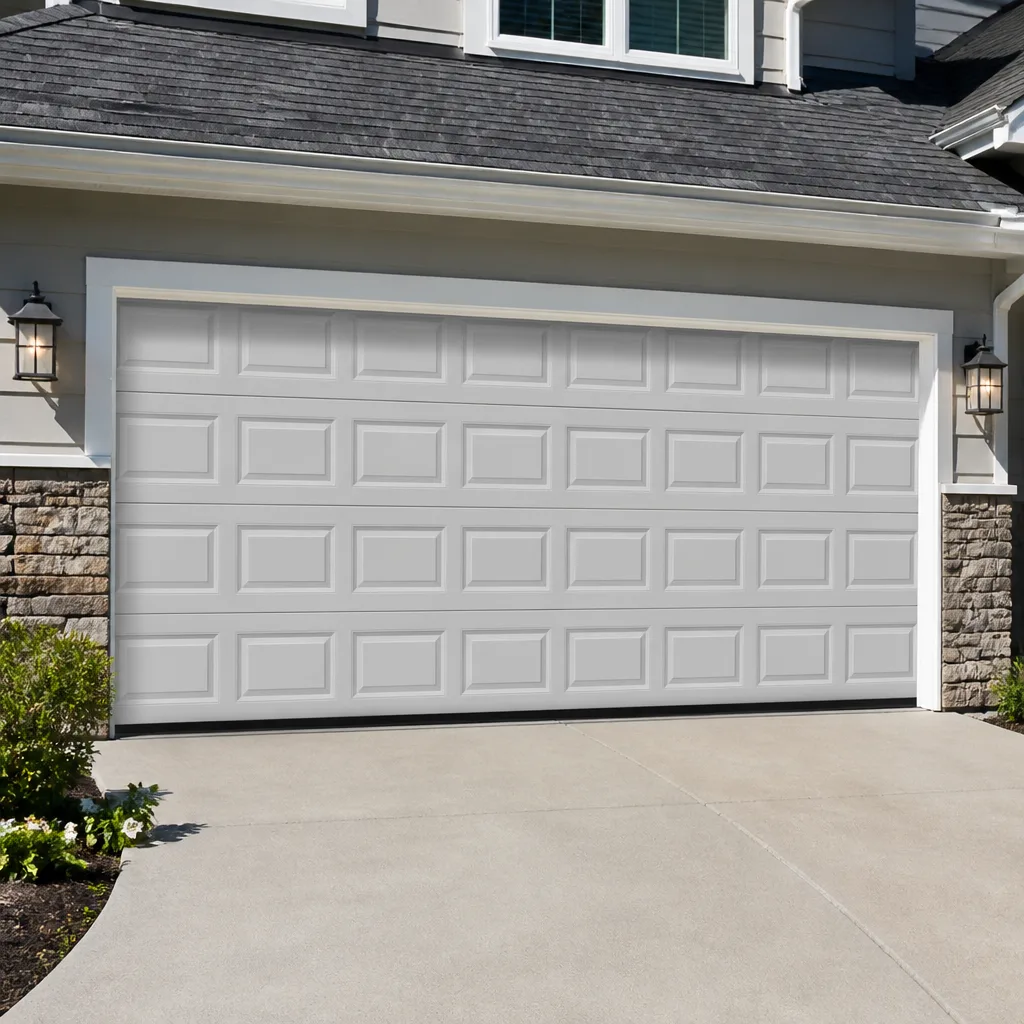 Raised-panel steel
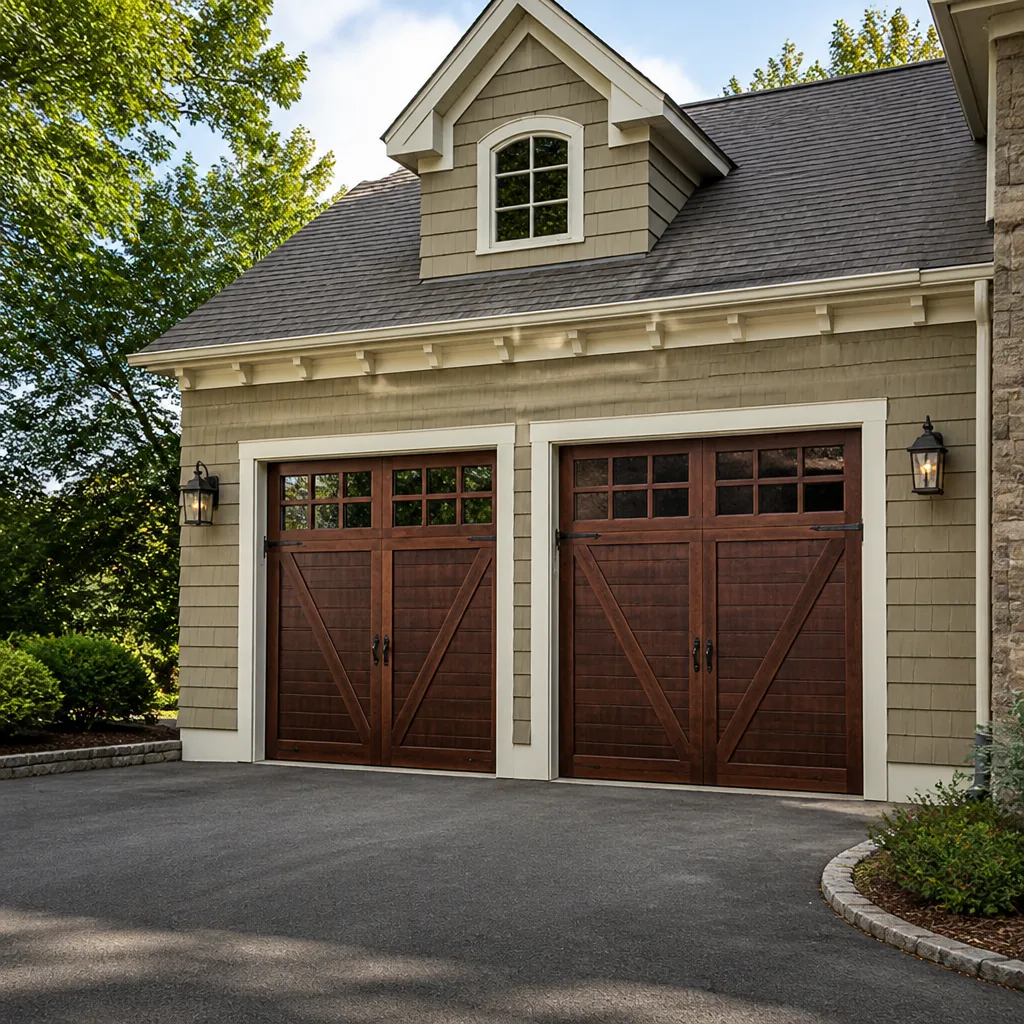 Carriage house
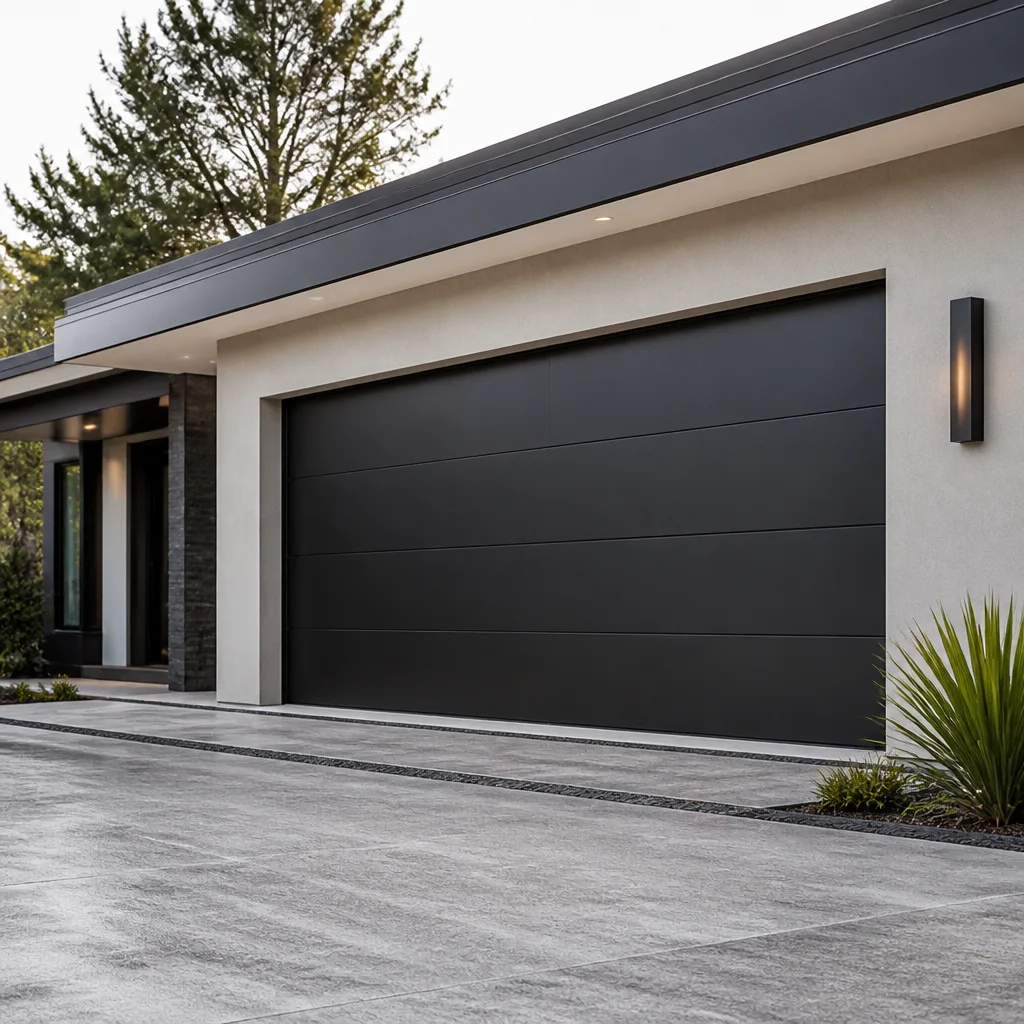 Modern flush
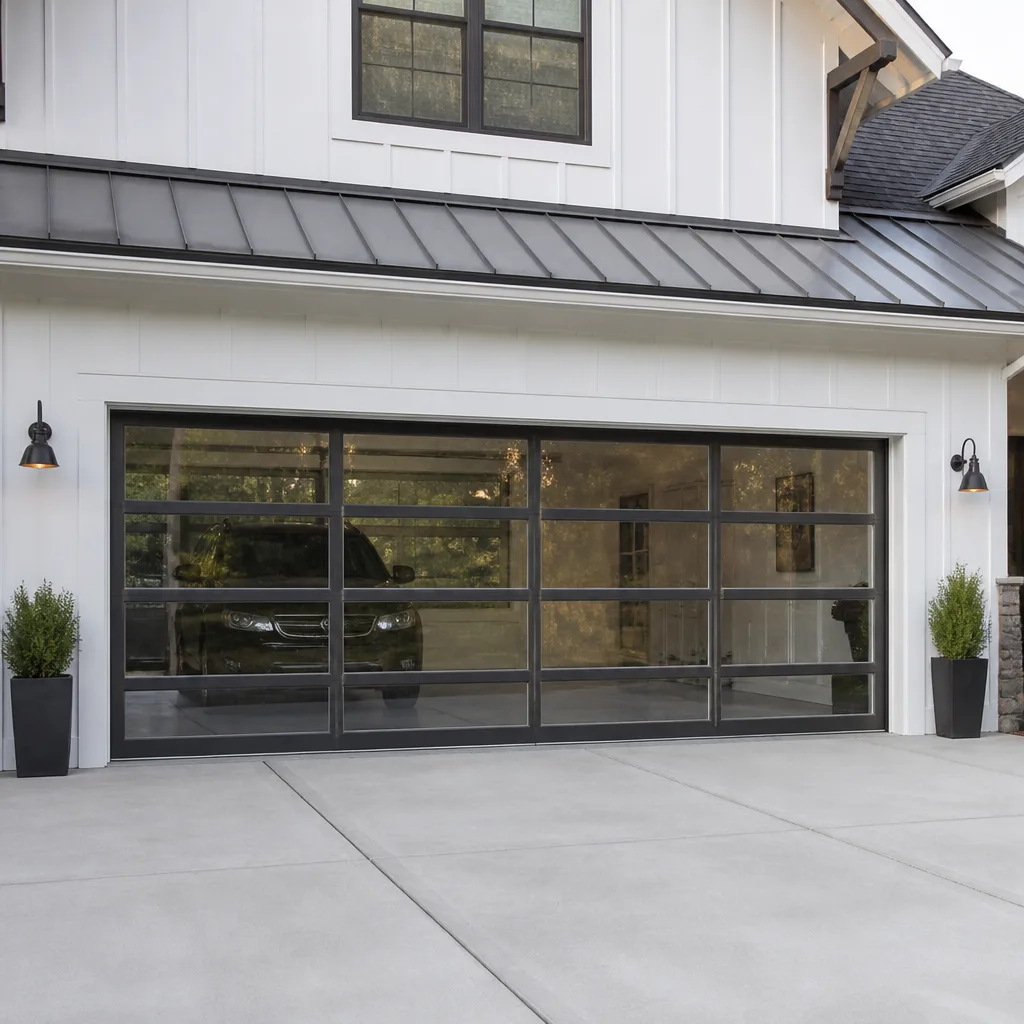 Full-view glass
 LiftMaster openers
 Chamberlain openers
Full 25-point door and opener safety check with every visit - springs, cables, rollers, tracks, and your LiftMaster or Chamberlain opener included
You get a price before we start. It does not change when the pro arrives.
Get your free estimateGarage Door Emergency Preparedness Guide for Hampden Homes
Most garage door emergencies we get called out to in Hampden didn’t start with the door. They started with a homeowner doing something reasonable in the wrong order. When the power goes out during a summer storm rolling through Baltimore, the manual release cord suddenly goes from a curiosity to the most important piece of hardware in the garage. Pull it correctly and you’re back inside in a minute. Pull it while the door is up, or yank it at the wrong angle, and you’ve turned a five-minute inconvenience into a trolley carriage that won’t re-engage without a technician on a ladder.
This guide covers what actually happens to garage doors in Hampden when the weather turns, when someone tries to force one open, and when a spring lets go mid-cycle. You’ll learn the specific steps that keep a bad situation from getting worse, the mistakes that turn a repair into a replacement, and what to have ready before you call so the technician shows up with the right parts the first time.
Quick Answer
Garage door emergencies in Hampden follow three predictable patterns: power outages from summer storms that leave doors stuck closed, frozen tracks and stiff weatherstripping during hard freezes, and damaged doors or bent tracks after forced-entry attempts on alley-facing garages. The safe response in every case is to stop operating the door, secure the opening, and call for service rather than forcing the door by hand. Never attempt to adjust, cut, or remove a torsion spring yourself; those springs are under extreme tension and cause serious injuries to untrained people every year.
Styles & brands we work with
- Raised-panel steel
- Carriage house
- Modern flush
- Full-view glass
- LiftMaster openers
- Chamberlain openers
Table of Contents
- How to Use the Manual Release Without Damaging Your Door
- Power Outage Playbook: What to Do When the Door Won’t Move
- How to Secure a Door That Won’t Close
- Broken Spring Mid-Operation: The Door Is Stuck Partially Open
- Operating a Frozen Door in a Hard Freeze
- After a Forced-Entry Attempt: What to Check and What to Leave Alone
- What to Have Ready Before You Call for Emergency Service
- Preventive Checks That Head Off Most Emergencies
How to Use the Manual Release Without Damaging Your Door
The manual release is the single most misunderstood piece of hardware on a residential garage door, and it’s the one homeowners reach for first when the power fails in Hampden. The release cord disengages the door from the opener’s trolley carriage so you can lift the door by hand. Used correctly, it’s a simple, non-destructive move. Used incorrectly, it can leave the carriage stuck in the disengaged position or jam the door arm at an angle that makes re-engagement a two-person job.
The mistake that causes most trouble: pulling the cord while the door is fully open or partway through a cycle. The carriage needs to be at rest against the door arm when you pull. If the opener has stopped mid-travel, the release lever can bind, and pulling harder doesn’t free it. It bends things.
Here’s the sequence we walk homeowners through when they call during an outage:
- Confirm the opener is truly off. Unplug the opener from its ceiling outlet so it can’t cycle unexpectedly while you’re working under the door.
- Lower the door manually if the opener stopped mid-travel. Grip the bottom section and pull it down gently to the fully closed position. The door should move freely once the release is engaged.
- Pull the release cord straight down, firmly and once. Don’t yank sideways or pull it in a jerking motion. A single clean pull should disengage the carriage.
- Lift the door slowly by hand. If it feels extremely heavy, stop. A door that won’t lift with reasonable effort usually means the springs are weak or broken, and forcing it risks back strain.
- Prop the door open with a proper brace if you need to move a vehicle. Don’t rely on the door staying up on its own; a door that drifts down unexpectedly can injure someone underneath.
- To re-engage, close the door fully first. With the door down, pull the release cord again or push the carriage back toward the opener, depending on the model. Then plug the opener back in and run one test cycle.
If the carriage won’t re-engage after two tries, stop. There’s a mechanical reason, and forcing it further can damage the trolley or the door arm. That’s a job for a technician. LiftMaster and Chamberlain openers use slightly different carriage designs, and knowing which one is on your ceiling saves time on the phone.
Power Outage Playbook: What to Do When the Door Won’t Move
Summer storms in the Baltimore area knock out power with enough regularity that every Hampden household with an attached garage should know what to do before the lights go out. The good news is that a power outage rarely means a broken door; it means a door that needs to be operated by hand until the grid comes back.
The most common mistake during an outage is trying to force the door up while the opener is still engaged. The opener’s motor and gear assembly are designed to lock the door in place when power is off, so pushing against it does nothing except stress the door panels and the arm. Release the carriage first, then lift.
If your opener has a battery backup (some LiftMaster and Chamberlain models do), it may cycle the door a limited number of times during an outage. Check the unit’s manual for how many cycles the backup supports, because running it repeatedly will drain the battery and leave you stranded. If you’re unsure whether yours has a backup, look for a battery compartment on the head unit, usually an accessible door on the side or bottom.
A few things to do once the power is back:
- Run one full open-and-close cycle and watch for hesitation, grinding, or a reversal before the door reaches the floor.
- Check that the safety sensors on both sides of the door are lit. A power surge can trip a sensor or its wiring.
- Re-test the manual release to make sure the carriage re-engaged properly. If the door opens but the opener doesn’t sound like it’s pulling, the carriage may still be disengaged.
- If the opener won’t respond after the power returns, unplug it for thirty seconds and plug it back in. Some units need a reset after an outage.
If the door still won’t respond, you may have a damaged opener board or a sensor fault. That’s when it makes sense to bring in someone who works on your brand. Emergency service for a garage door in Hampden is genuinely available, not a next-day callback, and the technician can usually diagnose an opener fault in a single visit.
How to Secure a Door That Won’t Close
A door that won’t close during a storm or after an incident is one of the more stressful calls we get. The door is open, the weather is coming in, and the house is exposed. The instinct is to force the door down by hand or to wedge something under it. Neither is safe if the door’s track is bent or the opener is malfunctioning.
There are three realistic scenarios here, and each has a different response:
The door won’t close because of a sensor fault. Modern openers have safety sensors near the floor on both sides of the door opening; if they’re misaligned or blocked, the opener will reverse the door rather than close it. Check that nothing is in the sensor beam path (a bag, a rake, a pet) and that both sensor lenses are clean. If the indicator lights are dark on one side, that’s likely your issue.
The door won’t close because the track is bent or the door is off its rollers. Don’t force it. A door that’s out of its track can come down unevenly and trap fingers or damage the panels. If you can, use the manual release to lower it slowly and completely, then leave it down and call for repair. If it won’t lower evenly, leave it in the safest partial position and secure the opening.
The door won’t close because the opener has failed. This is the easiest case to manage. Release the carriage, lower the door by hand, and re-engage. The door will stay closed manually until the opener is repaired.
If the door is open and won’t come down at all, secure the opening from inside the house with a piece of furniture, a board, or a temporary brace across the frame. Call garage door repair so a technician can assess the track and opener together, and don’t leave the door unattended for long if the home is occupied.
Broken Spring Mid-Operation: The Door Is Stuck Partially Open
Torsion spring failure is the most dangerous garage door emergency a homeowner will face, and it almost always happens mid-operation. You hear a loud bang, the door drops partway or stops where it is, and it won’t move further under opener power. That partial-open position is the situation we get called about most, and it’s the one where doing the wrong thing can cause serious injury.
A torsion spring is a coiled steel bar under enormous tension. When it breaks, the door is being held up by whatever counterbalance remains (often the second spring on a two-spring setup, or the extension springs if you have those), and the balance has shifted. A door in this state is unstable. It may drop. It may not lift evenly. It may hold in place for hours and then fall without warning.
Here’s what we tell homeowners to do:
- Do not operate the opener. Running the opener against a broken spring pulls unevenly on the door and can bend panels, twist the center bracket, or strip the opener gear.
- Do not try to lift the door by hand. Without a working spring, the door is far heavier than it looks, and lifting it can cause back injuries or strain. Even if you get it up, you can’t safely set it down.
- Do not touch the broken spring. A broken torsion spring can have sharp, jagged ends under residual tension. Leave it alone.
- Secure the vehicle side. If a car is inside and you need to move it, don’t. Call for service before you try to move the car.
- Call for emergency service. This is the situation where a same-day call to a technician is genuinely necessary. A broken torsion or extension spring is the highest-risk repair in the trade and the one most often outsourced by companies that don’t want to handle it.
When the technician arrives, expect them to inspect both springs even if only one is broken. Matched pairs usually need to be replaced together because a new spring paired with an old one will wear faster. If you’re told only one needs replacing on a two-spring door, ask why.
Operating a Frozen Door in a Hard Freeze
Hampden winters don’t produce the deep cold of northern New England, but they do produce the hard freezes that freeze weatherstripping to the bottom of the garage door and stiffen the door’s rollers and hinges. A door that won’t open in a cold snap isn’t necessarily broken. It’s stuck. And the way you handle it can mean the difference between a five-minute inconvenience and a cracked bottom panel.
The forced-entry mistake here is pulling the door up with the opener while the bottom seal is frozen to the concrete. The opener puts its full force behind the initial lift and can tear the weatherstripping clean off the bottom section, or, worse, crack the panel where the bottom bracket is attached. You won’t hear the crack immediately; you’ll hear it after the door lifts and the bottom section flexes.
Here’s the safer sequence:
- Pull the manual release first. Disconnect the carriage from the opener so the opener can’t cycle unexpectedly.
- Break the seal gently. Use your hand or a soft object (not a metal tool) along the bottom edge to separate the weatherstripping from the concrete. If it’s frozen hard, a plastic wedge or a rag soaked in warm water pressed against the seal for a minute will loosen it.
- Lift slowly by hand. If the door is stiff through the whole travel, the rollers or hinges may be freezing. Don’t force it; halfway up is enough to break the ice grip.
- Once free, close the door fully, then re-engage and run one test cycle. Watch for the door dropping faster than it should or hanging up on one side.
If your door sticks every cold morning, the issue isn’t the weather so much as worn weatherstripping, rusted rollers, or a hinge that’s losing its lubrication. A tune-up before the season covers all of it. A frozen door that cracks in a cold snap often means a full bottom-section repair, not just a seal replacement.
After a Forced-Entry Attempt: What to Check and What to Leave Alone
Alley-facing garages in Hampden are the ones we get called about after break-in attempts, and the pattern is usually the same. Someone tried to force the door up with a pry bar or shimmed the latch, and the door is now off its track, bent at the bottom section, or sticking in one corner. What the homeowner sees is an open garage and a damaged door. What the door needs is a careful inspection before it’s operated again.
The first instinct after a break-in attempt is to try to close the door so the garage is secure. That instinct is right, but the method matters. If the door is bent or off its track, running the opener can make the damage worse and can leave the door hanging at an angle where it drops without warning.
What to do:
- Don’t operate the opener. If a panel is bent, the track is pushed, or a roller is popped, cycling the opener can fold the door and damage the opener’s drive system.
- Release the carriage. Lower the door by hand only if it moves evenly. If it binds at any point, leave it where it is and secure the opening another way.
- Look at the bottom panel and the track corners. These are the two places pry damage usually shows. A bent bottom bracket, a displaced roller, or a kinked track section in the corner are all signs the door needs professional realignment, not just a push back into place.
- Check the opener arm and the door bracket. If the door was forced, the arm may have been stressed or disconnected. If the arm is hanging loose, don’t run the opener; the door won’t be driven and the arm can swing.
- Have the door inspected before putting it back into regular service. Even if the door looks fine, a forced-entry attempt can leave a roller partly out of the track, which will fail later.
If you’re also dealing with a lock or an opener that stopped responding after the break-in, this is when garage door opener repair and a door inspection often go together. A technician who works on Raynor, Genie, and other major brands can usually assess both in one visit.
What to Have Ready Before You Call for Emergency Service
Knowing what to tell the person on the phone when you call for emergency service is the difference between a technician who arrives with the right parts and one who has to make a second trip. In our experience, a homeowner who can state the brand, model, and problem clearly saves thirty minutes or more on the front end, and the technician walks in with the right carriage or spring in hand.
Have these ready before you dial:
- The door brand and, if you know it, the model. Clopay, Amarr, Wayne Dalton, Raynor, and Craftsman all have distinct spring and hardware configurations. If the brand is on the door panels, read it off. If not, the specs are often on a sticker inside the opener or on the door’s end stile.
- The opener brand and model. LiftMaster, Chamberlain, Genie, Craftsman, and Raynor openers all have different remotes, carriage designs, and reset procedures. A photo of the opener’s model sticker saves a phone call.
- What happened and when. “The door dropped partway and won’t move” tells the technician something different than “the door opens but reverses halfway down.”
- Whether the door is currently open, closed, or stuck partway. This matters for how urgently the technician needs to come out and whether the door can be secured temporarily.
- Whether a vehicle is trapped inside. If a car is stuck behind a failed door, that changes the priority and the plan.
- Whether anyone has tried to force the door or the opener since the failure. This is important; if the door has been forced, the inspection scope changes.
- The address and how to access the garage. Hampden has alleys behind many blocks, and a technician who knows which alley to pull into gets to the job faster.
Get this information together before you dial, and the call is short and useful rather than long and vague. Our technicians have up to 15 years of experience and have walked through all of these scenarios in the field, which means they know the questions to ask when you call.
Preventive Checks That Head Off Most Emergencies
Most of the emergencies in this guide are predictable, and a few basic checks during the year cut down on how often you’ll be making an emergency call. We’re not suggesting you take on repairs yourself. Spring work, opener board work, and track realignment are professional jobs. But the checks below are the kind of thing any homeowner can do to catch a problem before it becomes an outage call.
- Listen to the door once a month. Run a full open-and-close cycle and listen for grinding, popping, or a hesitation at any point in the travel. Early sounds are early warnings.
- Look at the springs. Torsion springs run along the shaft above the door. Extension springs run above the horizontal tracks. A visible gap in a torsion spring or a stretched extension spring means it’s due for replacement, and you don’t want to find out the hard way.
- Check the safety sensors. The sensor lenses near the floor on each side should light up. A dirty lens or a bumped sensor is the most common cause of a door that won’t close.
- Test the manual release a few times a year. Pull the cord, disengage the carriage, re-engage, and confirm the door still cycles. A release that’s stuck when you need it is exactly the failure that turns a power outage into a service call.
- Lubricate hinges and rollers with a proper garage door lubricant. Not WD-40 and not grease. A garage door lubricant made for the application won’t attract grit and won’t gum up in cold weather.
- Look at the weatherstripping at the bottom and along the sides. Cracking, tearing, or a seal that’s frozen to the concrete every winter is a sign the seal needs replacing before it fails completely.
- Check the balance. With the door disengaged and about halfway up, let go. A balanced door stays in place. A door that drops on its own has a spring problem; one that’s hard to lift has weak springs. Don’t test this with the door fully up; halfway is safer.
If you’re not sure what you’re looking at, ask for an inspection during a routine visit. It’s cheaper than an emergency call, and it catches the problems that would otherwise show up on a Sunday morning when a car is trapped inside.
Common Mistakes to Avoid
- Pulling the manual release while the door is up or mid-cycle. The carriage needs the door at rest to re-engage. Pulling the cord at the wrong moment can leave it stuck in the disengaged position, and the fix involves a ladder and a technician.
- Forcing a door against a frozen seal. The opener puts its full force behind the initial lift and can tear weatherstripping or crack the bottom section. Break the seal by hand first, then operate the door.
- Running the opener with a broken spring. The balance is gone, and the opener will pull unevenly, bending panels or stripping the gear. Stop using the opener the moment you suspect a broken spring.
- Trying to fix a torsion spring yourself. This is the highest-risk repair in the trade for a reason. The springs are under enough tension to cause serious injury, and the tools required to wind them aren’t homeowner tools.
- Assuming a sensor fault is an opener fault. Most “door won’t close” calls in Hampden turn out to be a misaligned or dirty sensor, not a failing opener. Check the sensor lights before you assume the board is bad.
- Cycling a door after a forced-entry attempt. A bent panel or a displaced roller will get worse once the opener runs. Inspect first, operate later.
- Calling the wrong number in a panic. Have the brand, model, and current state of the door ready before you dial. A vague call takes longer and sometimes needs a second trip.
See the difference
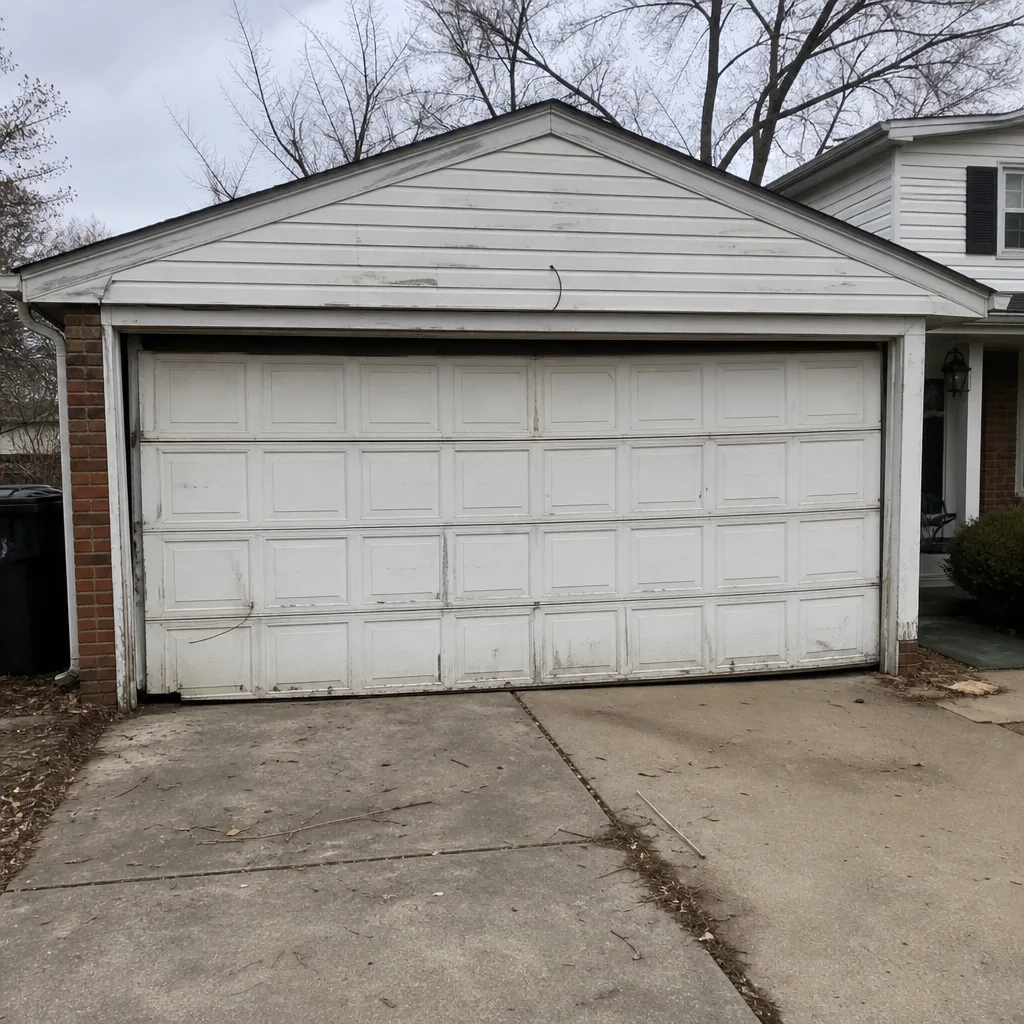 Before
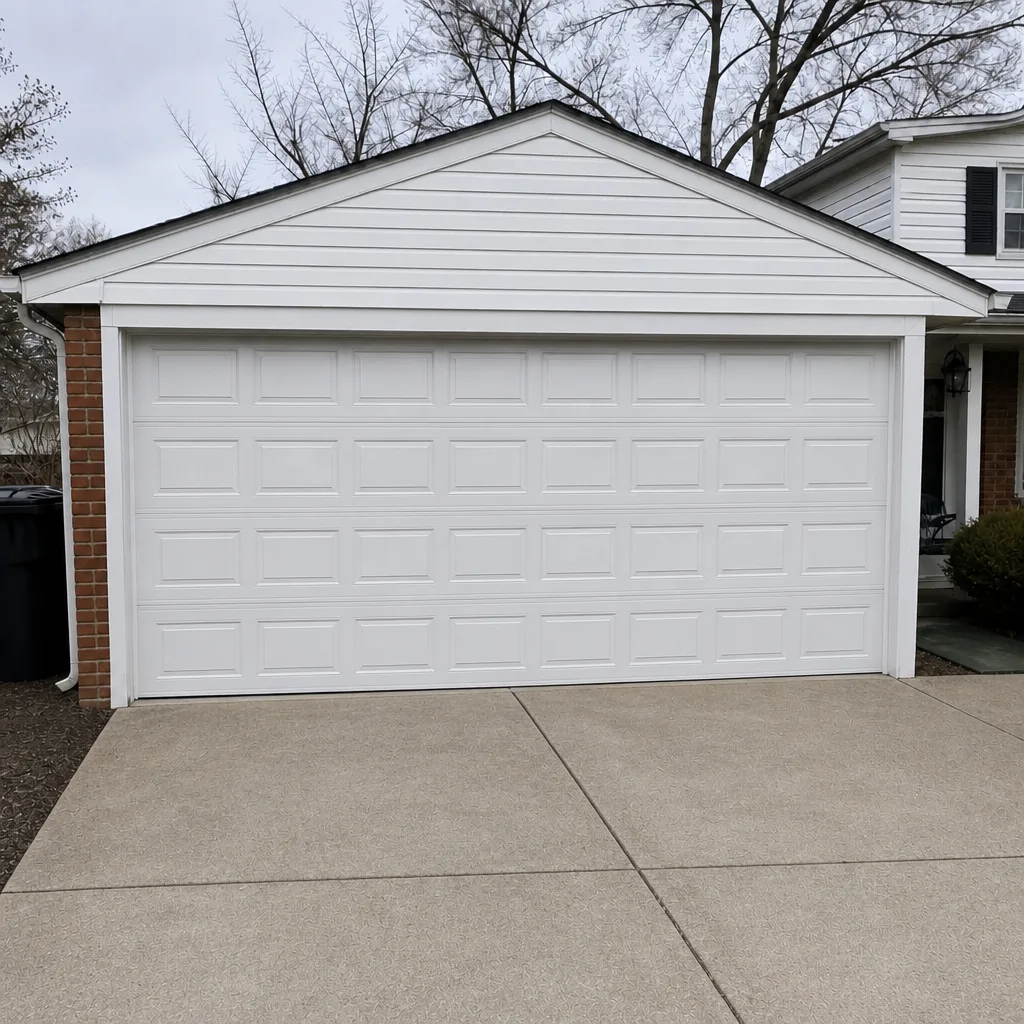 After
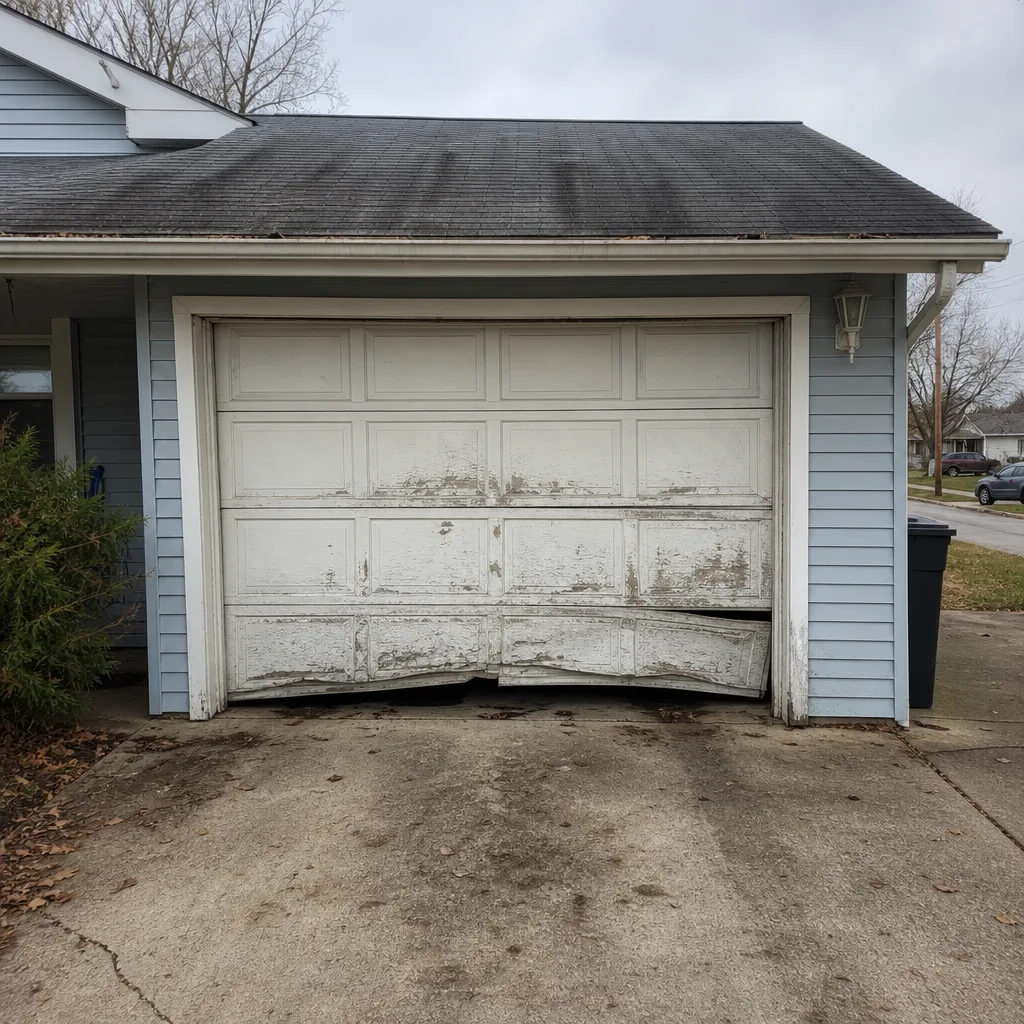 Before
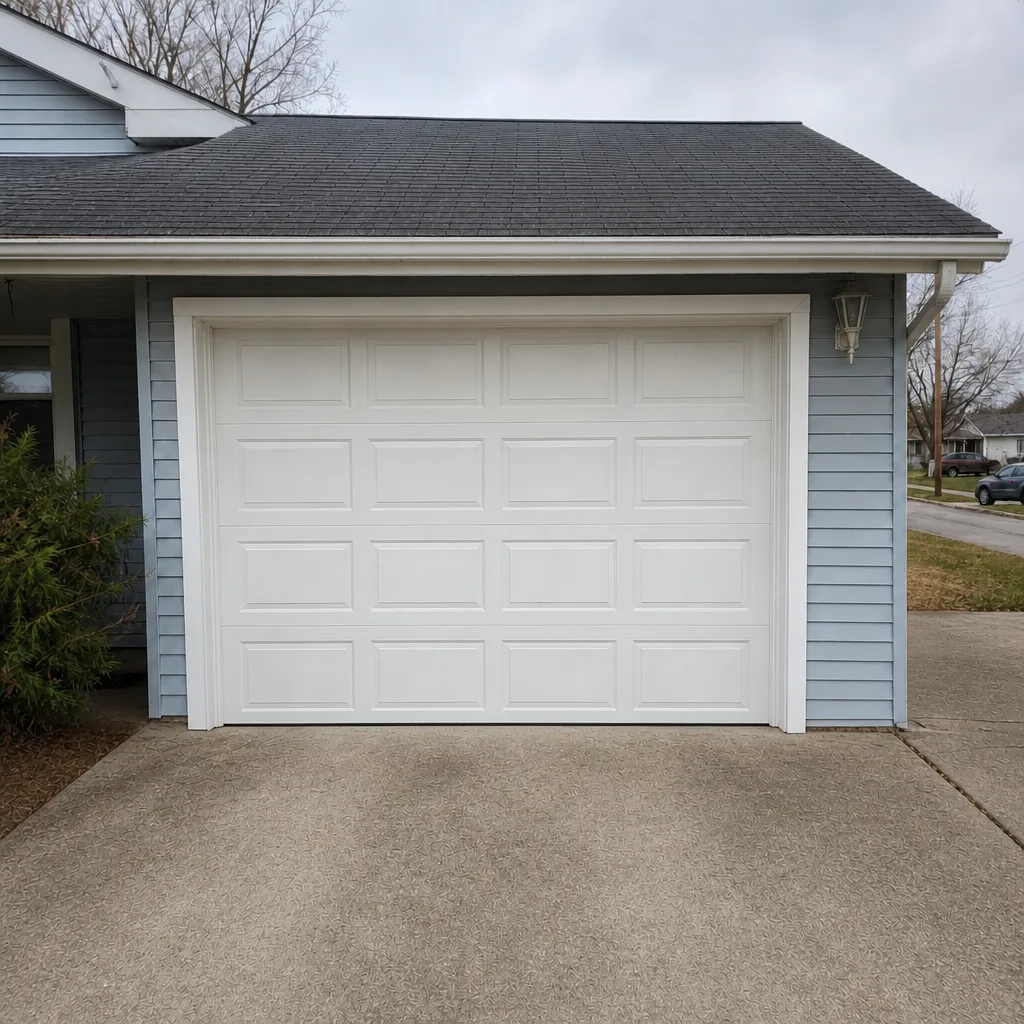 After
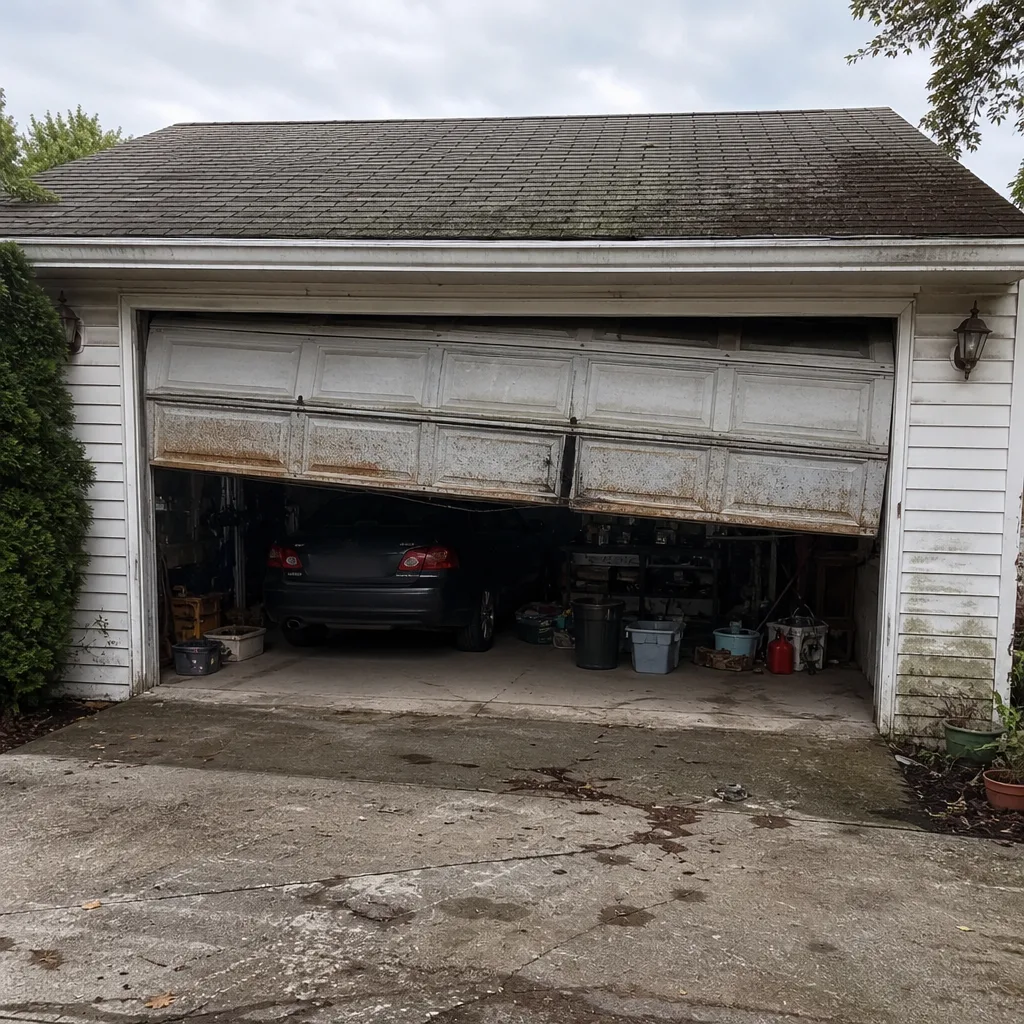 Before
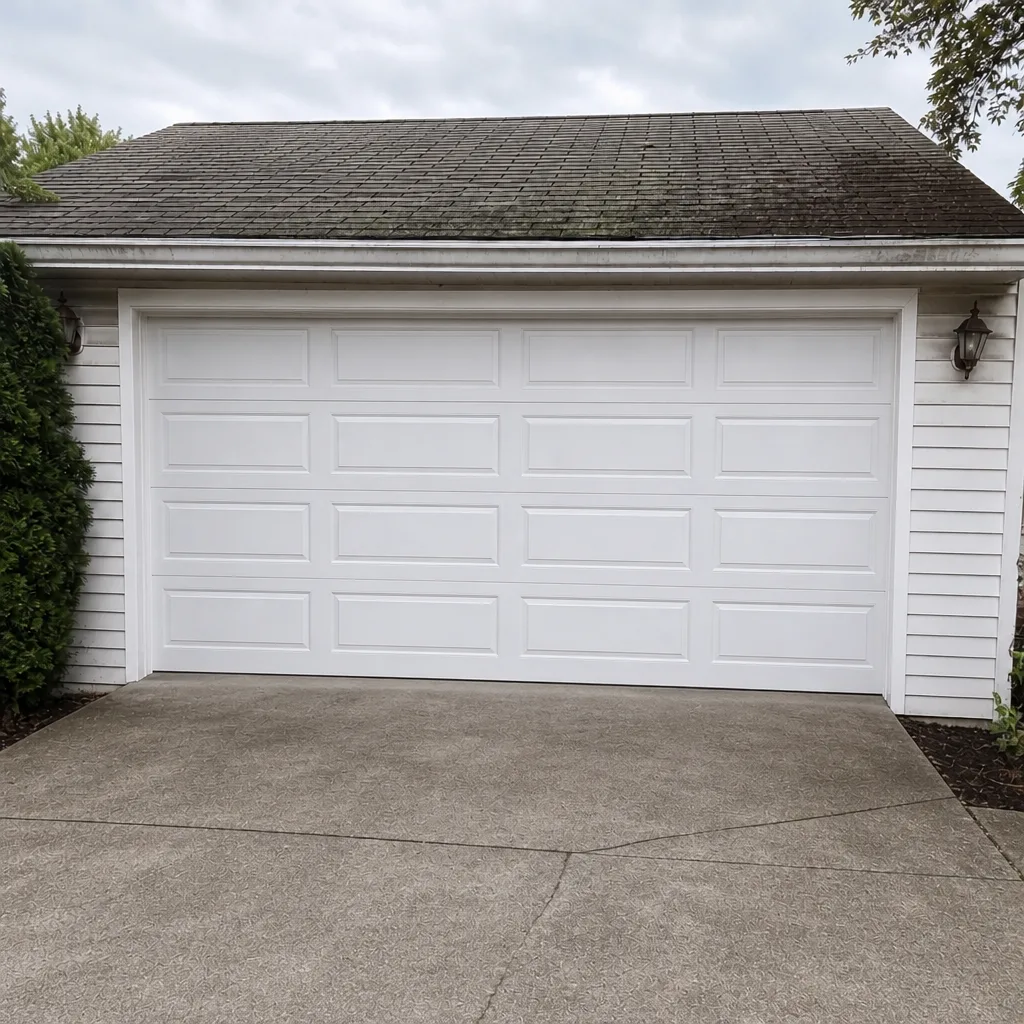 After
When to Call a Professional
Call a professional any time the door has stopped moving and you can’t identify why, any time a spring has visibly broken, any time the door is bent or off its track, and any time the opener won’t cycle after a reset. Those are the situations where a homeowner with good intentions can turn a repair into a replacement. Call us as well if the door is stuck open and you can’t secure it, especially if the house will be unattended. A garage door that won’t close is a security problem and a weather problem at the same time, and the sooner someone with the right tools is on site, the better.
If you’re planning a bigger change, like a full replacement after a string of repair calls, that’s a different conversation. garage door installation is scheduled work, not emergency work, and it starts with a measure and a written price rather than a same-day callback. If you’re not there yet and just want the door working again, start with a repair call. Garage Door Repair Hampden offers free estimates in Hampden; call (855) 552-9470 and have the brand and model ready.
Frequently Asked Questions
Yes, using the manual release cord. Pull it straight down once while the door is at rest, then lift the door by hand. Re-engage the carriage after the door is fully closed and the power is back. If the carriage won’t re-engage after two tries, stop and call for service rather than forcing it. Call (855) 552-9470 for help in Hampden; estimates are free.
Leave the door where it is, don’t run the opener, and don’t try to lift or lower it by hand. A broken torsion spring leaves the door unstable, and forcing it can cause injury or further damage. Call for emergency garage door service and have the door brand and current position ready. Estimates are free; call (855) 552-9470.
Break the seal by hand before you run the opener, and keep the bottom weatherstripping clean and in good condition. A plastic wedge or a warm, damp rag along the bottom seal loosens a frozen door without damaging it. If your door freezes every winter, the weatherstripping is likely worn and should be replaced before the next cold snap. Call (855) 552-9470 for an estimate.
No. Forcing a door that won’t close can bend the track, crack panels, or damage the opener if the sensor is the actual cause. Check the safety sensor lights first, clear any obstruction from the beam, and if the door still won’t close, secure the opening from inside and call for service. Call (855) 552-9470.
Yes, emergency garage door service is available and same-day response is the point of it. Our technicians have up to 15 years of experience and work on all the major brands, including LiftMaster, Chamberlain, Genie, Clopay, Amarr, Wayne Dalton, Craftsman, and Raynor, so they arrive familiar with the system in your garage. Call (855) 552-9470 for a free estimate.
No. We quote and agree the price before any work starts, and the written estimate sets the final price. The range you hear on the phone is based on what you describe; if the technician finds something the description didn’t cover, that’s discussed and agreed before work begins. Call (855) 552-9470 for an estimate.
The Bottom Line
Garage door emergencies in Hampden aren’t random. They cluster around summer storm outages, hard freezes, and forced-entry attempts on alley-facing garages, and each one has a safe response most homeowners have never been shown. Pull the manual release correctly, secure an open door without forcing it, leave a broken spring alone, and break a frozen seal by hand before you touch the opener. Those four habits cover most of what goes wrong. When the door is beyond a safe homeowner response, call for service, have the brand and model ready, and let a technician handle the spring, the track, or the opener. The door works or we’re not done.
If a door in your Hampden home has stopped moving, is stuck open, or has a spring you’re not sure about, Garage Door Repair Hampden is set up to handle it. Emergency service is a real service line, not a marketing phrase, and it’s backed by technicians who work on what you already own. Call (855) 552-9470 for a free estimate, and we’ll walk through the scenario with you before anyone touches the door.
Written by the team at Garage Door Repair Hampden.