Last updated November 21, 2026
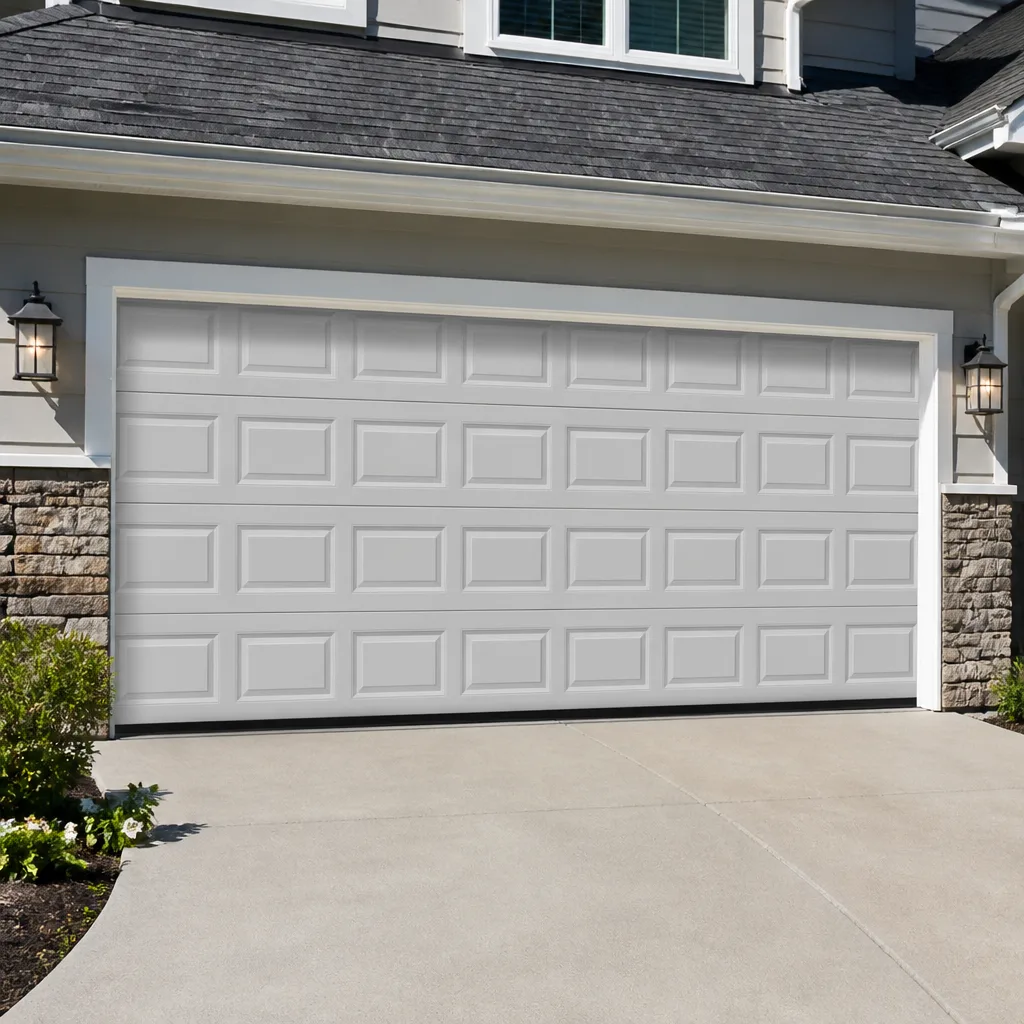 Raised-panel steel
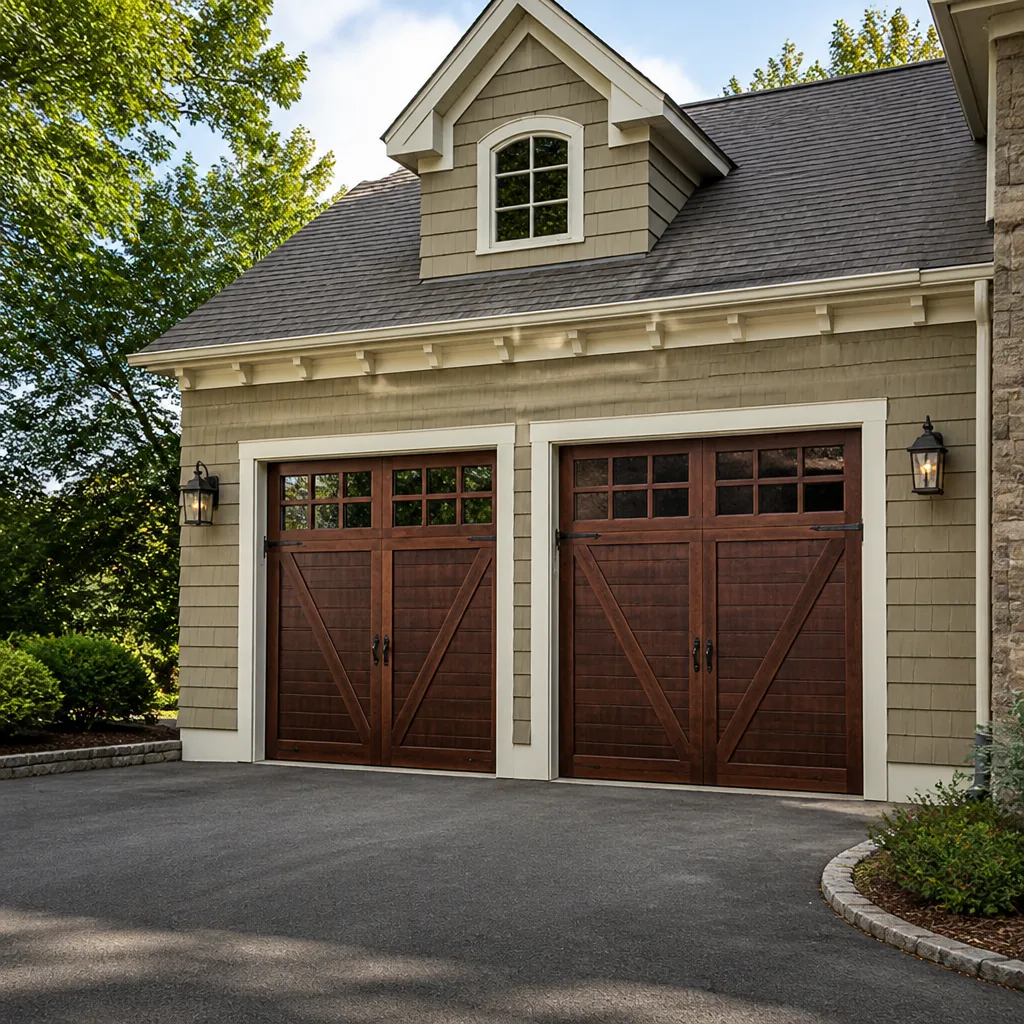 Carriage house
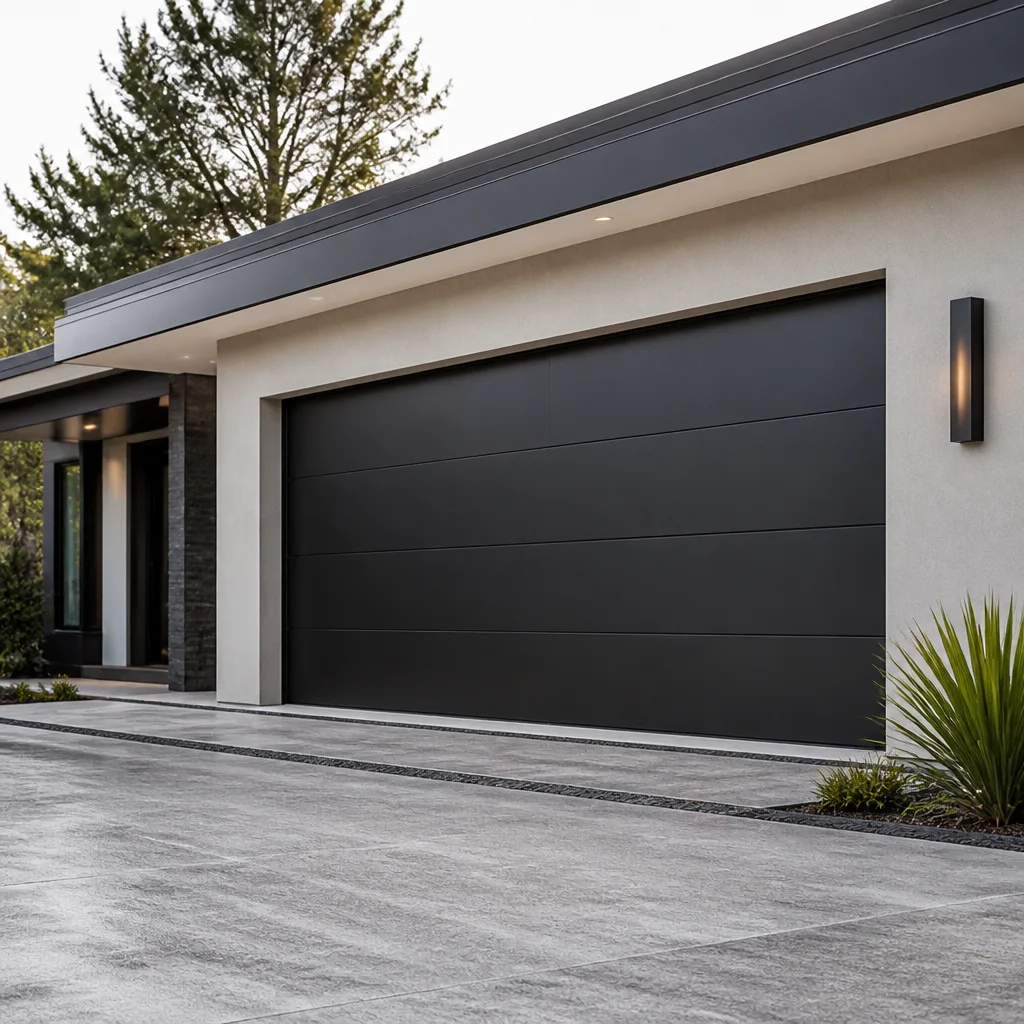 Modern flush
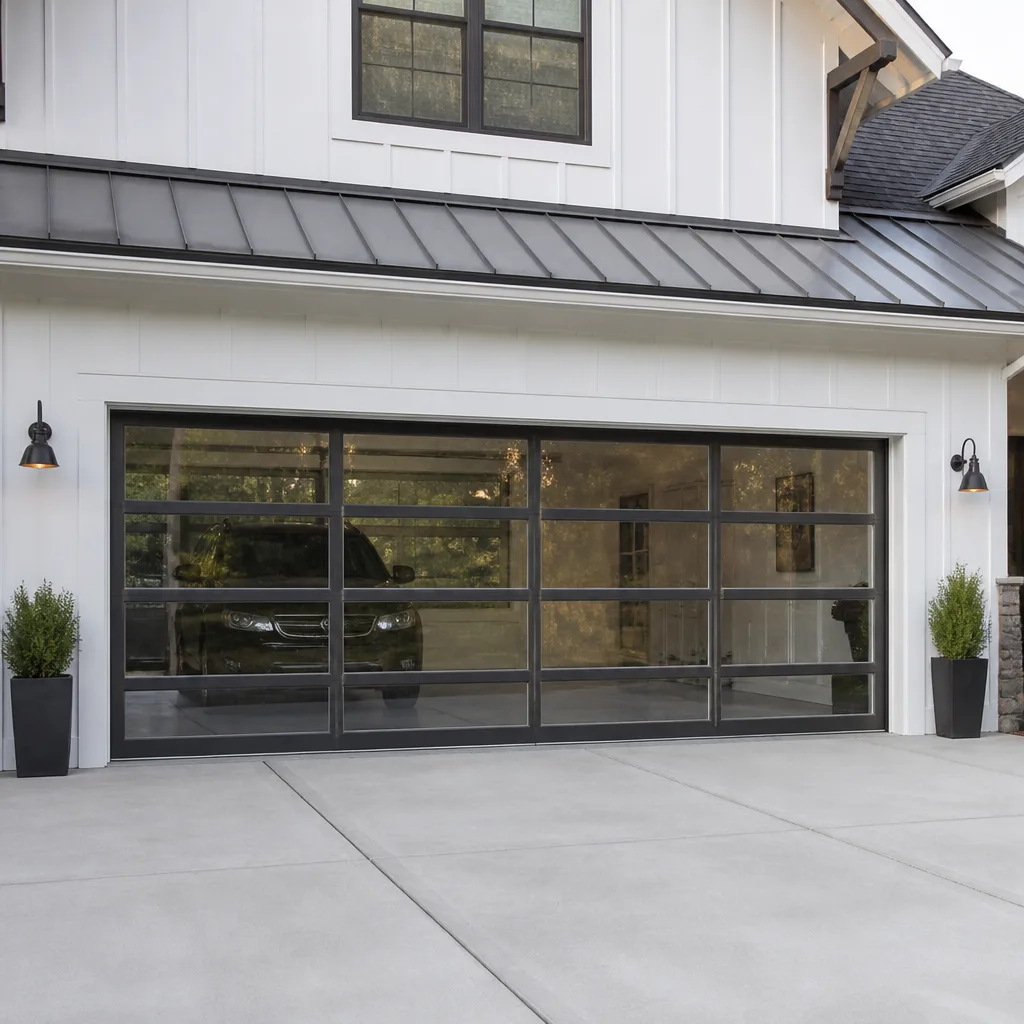 Full-view glass
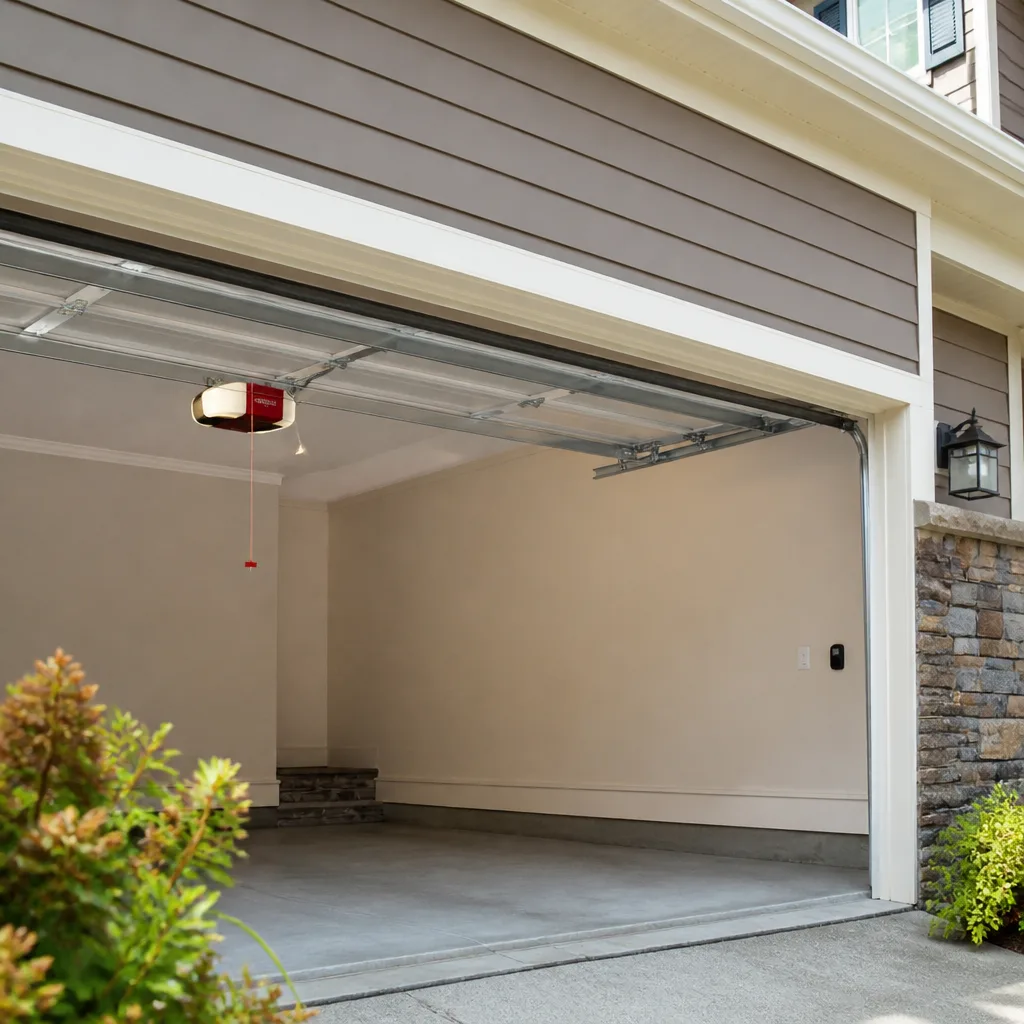 LiftMaster openers
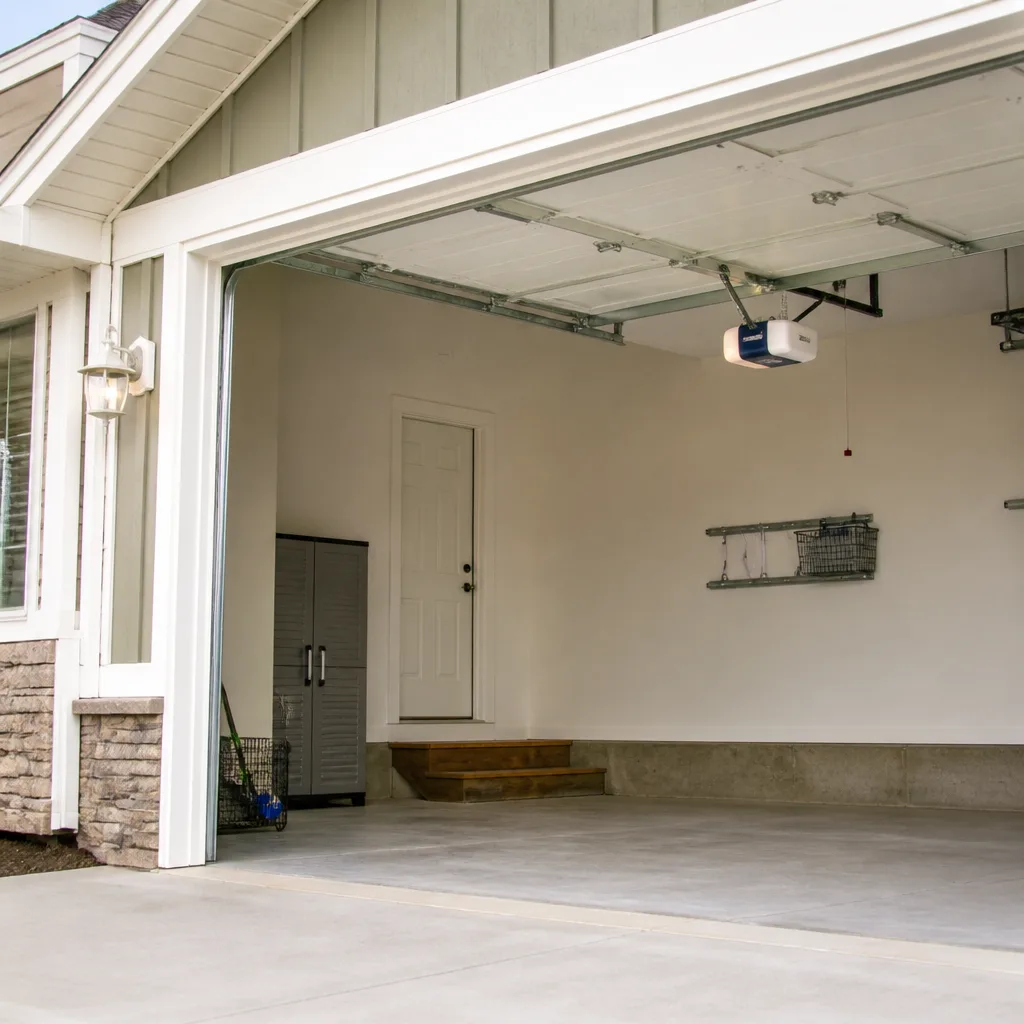 Chamberlain openers
Full 25-point door and opener safety check with every visit - springs, cables, rollers, tracks, and your LiftMaster or Chamberlain opener included
You get a price before we start. It does not change when the pro arrives.
Get your free estimateGarage Door Repair Maintenance Checklist for Hampden Homeowners
The most common reason a Hampden garage door fails before its time isn’t skipped maintenance. It’s maintenance done in the wrong order. Most of us were taught to open the door, listen to it, maybe spray something on the hinges, and call it a day. But running a door before you’ve checked its springs, cables, and rollers puts load on worn parts before you’ve found the weak ones. That single sequencing mistake turns small issues into big repairs. This guide walks through the order that actually works, built around the failures we see most on Hampden’s alleys and older detached garages: moisture rust, power-surge opener damage, and springs tired from Baltimore’s temperature swings.
Quick Answer
A garage door maintenance checklist for Hampden should inspect springs, cables, and rollers with the door closed and the opener disengaged before you ever run the door, then check track alignment, lubricate only the moving metal-on-metal contact points, and test the safety reverse. Do this twice a year, ideally in spring and fall when Maryland temperatures swing hardest, and log what you find so the next visit is faster and cheaper.
Styles & brands we work with
- Raised-panel steel
- Carriage house
- Modern flush
- Full-view glass
- LiftMaster openers
- Chamberlain openers
Table of Contents
- Why Inspection Order Matters More Than the Checks Themselves
- How to Check Spring Tension Safely
- Alley Moisture and Rust: A Hampden-Specific Check
- Protecting Your Opener from Power Fluctuations
- Lubrication Points That Actually Matter
- How Baltimore Temperature Swings Affect Your Springs
- Record-Keeping That Saves You Money
- Safety Reverse and Balance Tests
Why Inspection Order Matters More Than the Checks Themselves
Most garage door failures we’re called to in Hampden were set in motion by a door that got run while something underneath it was already compromised. A frayed cable, a failing torsion spring, a bent track. The door cycles, the weak part takes the full load, and what would have been a quick fix becomes a full repair. The fix isn’t a longer checklist. It’s the right sequence.
Here’s the order that works, and the one we walk through with every Hampden homeowner who asks how to keep their door healthy:
- Eyes before hands, hands before power. With the door fully closed, do a visual pass first. Look at springs, cables, rollers, hinges, weatherstripping, and panels. Note anything obviously broken, hanging, or rusted before you touch a thing.
- Disengage the opener. Pull the emergency release so the door runs on its springs and tracks alone. This is the whole point of the sequence: you want to feel and see spring and balance behavior without the motor masking problems.
- Cycle by hand. Lift the door halfway and let go. A balanced door stays where you put it. If it wants to fall, a spring is weak. If it crawls up on its own, springs are too tight.
- Inspect under load. Now that you know the balance, look at cables and springs again. Cables usually show their worst wear when the door is loaded.
- Re-engage and test the opener last. Only after the mechanical side is cleared should you run the motor. If the opener strains, hesitates, or reverses, you already know whether the door or the opener is at fault.
The reason we lead with this sequence in every Hampden service call is simple: the alternative costs more. Running the door first is the most common way a $200 repair becomes a $600 one. For a broader look at the repair side, our garage door repair page covers what’s involved when the door has already failed.
How to Check Spring Tension Safely
You can test spring tension without touching, winding, or releasing anything. The safe test is a balance check, not a spring adjustment. Torsion springs on most Hampden doors are mounted on a shaft above the door and hold serious stored energy. That energy is why a trained technician handles any spring work, and why no homeowner should wind, unwind, or cut a spring themselves. Springs under load can cause severe injury.
Here’s the safe test:
- Close the door fully.
- Pull the opener’s emergency release so the door is manual.
- Lift the door to waist height and let go.
- Watch what happens. It should stay roughly where you released it.
What the result tells you:
- Door stays put. Springs are balanced. Good.
- Door drifts down. Springs are losing tension. Plan a service visit soon rather than waiting for a failure.
- Door springs upward on its own. Over-tensioned springs, which stress the opener and cables.
- Door is very heavy, or you can’t lift it at all. A broken or fully fatigued spring. Stop here and call for repair.
- Audible clunk or pop on lifting. A sign of a broken spring or a hardware issue. Don’t cycle the opener.
You can also measure. Note the number of cycles you’ve owned the door (roughly two per day of normal use), and listen for the door sagging when partly open. A door that sags at the halfway point is a door heading toward spring replacement. For a deeper look at the repair itself, see our garage door opener repair page if the opener is also involved, or call us for the spring side directly.
Alley Moisture and Rust: A Hampden-Specific Check
Hampden’s detached garages sit on alleys, and alleys hold moisture. Rainwater runs down the alley surface, splashes the bottom of the door, and sits in the low spots. Add in the standing humidity of a Maryland summer and the bottom section of a garage door is the rust zone. That’s true even on galvanized and aluminum doors, because the hardware – hinges, rollers, fasteners – is usually steel.
What to inspect, and what you’re looking for:
- Bottom section of the door. Look for bubbling paint, rust streaks from fasteners, and soft spots. Rust travels up from the bottom, not down from the top.
- Bottom brackets and hinges. The two or three hinges closest to the ground get the worst of it. Rusted hinges bind and load the opener.
- Weatherstripping along the bottom. A worn seal lets water under the door. Run your hand along the rubber – if it’s brittle or missing chunks, water is getting in.
- Track bottoms. Rust at the floor end of the track is normal in Hampden, but heavy flaking rust means it’s time to address drainage.
- Interior panel edges. Pop the door slightly and check the inside of the bottom panel. Rust often shows on the inside before it shows through the paint.
Small fixes beat big ones here. Touching up paint chips and keeping the alley side of the door clear of standing water doesn’t cost much. Replacing a rusted hinge does. Replacing a rusted bottom panel is where the costs climb. If rust has gotten into brackets and hinges, that’s a hardware replacement. If it’s into the panel skin, the door’s structural integrity is worth checking before another winter. Proactive attention here is the difference between a service call and a full door replacement, and our garage door installation page lays out when replacement genuinely makes sense.
Protecting Your Opener from Power Fluctuations
Baltimore’s older residential grid produces surges – short, sharp voltage spikes that come with storms, neighborhood transformer switching, and old wiring. Every one of those surges hits your opener’s control board. In Hampden, we see opener failures clustered around control board damage far more often than mechanical wear on the motor itself. The motor is usually fine. The electronics are fried.
A surge protector on the opener circuit is the cheapest insurance in the garage. Plug the opener into a surge protector rated for motor loads (not a cheap computer strip) and replace it if it takes a hit. Check the outlet itself – if it’s an old two-prong or shows heat discoloration, have an electrician look at it before relying on it. This is genuinely a safety item, not a convenience one.
Beyond surges, watch for these opener symptoms:
- Door reverses before touching the floor. Usually a travel limit setting or safety sensor misalignment, not a motor failure.
- Opener strains to lift the door. It’s telling you the door’s balance is off, not that the motor is weak. Fix the springs first.
- Remote or wall control works intermittently. Often a battery or a loose wire, sometimes the logic board.
- Door stops partway up. Could be the force setting, a track obstruction, or a failing capacitor.
LiftMaster and Chamberlain units are especially sensitive to power quality, and older Craftsman openers with garage-door-specific logic boards also tend to show surge damage early. If you’ve noticed any of the symptoms above, the diagnostic is usually quick. Replacing is not always the answer – a board or capacitor replacement often fixes the issue for a fraction of a new unit.
Lubrication Points That Actually Matter
This is where most checklists go wrong. You don’t lubricate a garage door by spraying everything that looks metal. Lubricate the wrong things and you attract grit, which becomes a grinding paste, which wears the parts faster. In Hampden’s alley dust, the wrong lubrication does more damage than no lubrication.
Lubricate these:
- Hinge pins (the pivot points on each hinge)
- Roller stems where they meet the hinge (metal-on-metal contact)
- Bearing plates on the torsion shaft ends
- Track inner surfaces where rollers run, sparingly, with a dry or silicone lubricant
- Lock and spring coil surfaces with a light silicone, not grease
Don’t lubricate these:
- Nylon rollers – they’re designed to run dry, and oil attracts grit that eats nylon faster
- Weatherstripping – oil degrades rubber
- Track rollers with grease in an alley environment – grease captures dust and makes a paste
- Opener rails with lube unless the manufacturer specifies it – most modern rails are designed to run dry
A dry silicone spray is the right default for most Hampden doors. Grease belongs on a hinge pin only if the hinge is dry and squeaking, and even then, sparingly. The rule of thumb we use is this: lubing metal-on-metal pivots is right; lubing anything that rolls against dirt is wrong.
How Baltimore Temperature Swings Affect Your Springs
Springs are steel and steel behaves according to temperature. A Baltimore summer can push a closed garage to well over 100 degrees inside. A January day in Hampden can drop it into the teens. Every cycle through that wide range is a cycle of expansion and contraction. Steel doesn’t mind that at the scale of a garage door – until it does, and the spring loses its calibrated tension slightly faster than it would in a warmer climate. This is the single most common reason Hampden doors have a service-life pattern slightly shorter than the national average.
What to look for as your springs age:
- Door feels heavier than six months ago. Springs have lost tension.
- Door won’t stay balanced at the halfway point. A clear fatigue signal.
- Opener runs longer to lift the door. A secondary symptom of spring fatigue.
- Spring coil looks stretched or has a visible gap. One or more coils has failed.
Two maintenance habits make a difference here. First, cycle the door less in extreme weather if you can – use the pedestrian door if you have one, or run errands in batches. Second, note the season when you notice the door behaving differently. If spring weakness shows up reliably in January and July, the springs are near end of life. Torsion spring replacement is a matched-pair job on nearly every Hampden door – a single spring replacement is possible, but a matched pair is almost always the right call, because the second spring is on the same wear curve as the first.
Record-Keeping That Saves You Money
Every technician who works on your Hampden door benefits from knowing what was done last time. Without records, the first half hour of every service call is discovery – what brand, what opener model, what was replaced, when. With records, we start from a known baseline. It saves diagnostic time, guides the replacement decision, and prevents you from paying twice for a fix that’s still under a manufacturer’s parts warranty.
Keep these in a folder, a note on your phone, or a shared digital doc:
- Door brand and model. If you don’t know it, look on the inside of the door panel. Most Hampden doors have a label with brand and model visible from inside the garage.
- Opener brand and model. Same idea. LiftMaster and Chamberlain have the model number usually on the back of the motor housing. Raynor and Wayne Dalton units often have the label on the side.
- Date of last spring replacement (if known). Even the month and year is enough.
- Date of last opener board or capacitor replacement (if any).
- Photo of the inside of the door. One photo per year, taken from inside, showing springs, cables, and bottom hardware. It makes it easy to spot changes.
- Notes on what the door does wrong. Date, weather, symptom. “July 2025, door felt heavier, opener strained, resolved by spring adjustment.” That single line saves time and money on the next call.
Bring those records to any service call and the diagnosis goes faster. It’s the cheapest way to keep a Hampden garage door healthy over the years.
Safety Reverse and Balance Tests
Two tests matter more than any other for household safety: the balance test and the safety reverse test. Both are quick, both should be done twice a year in Hampden, and both give you a clear pass or fail.
Balance test:
- Close the door and disengage the opener.
- Lift the door to waist height and let go.
- Pass: the door stays roughly where you let go. Fail: it falls or rises on its own. Fail means springs need service.
Safety reverse test:
- Re-engage the opener.
- Place a 2×4 flat on the floor in the middle of the door opening.
- Close the door with the opener. It should reverse immediately on contact with the block.
- Also test the photoelectric sensors: wave an object in front of the sensor beams with the door closing. The door should reverse.
If either test fails, don’t keep using the opener until it’s fixed. A door that doesn’t reverse on contact is a genuine safety issue, especially in a household with kids or pets. Both tests together take under five minutes.
Common Mistakes to Avoid
- Running the door before inspecting springs and cables. The single biggest cause of larger repairs in Hampden. Check first, run second.
- Greasing the tracks and rollers. In an alley environment like Hampden’s, grease captures dust and turns into grinding paste. Use dry silicone on the track surface and skip the grease entirely.
- Adding a spring yourself. A torsion spring is loaded with far more energy than most people realize. Winding a spring without training is the highest-risk DIY garage door mistake there is. Leave it to a technician.
- Replacing one spring when the pair is worn together. The second spring is on the same wear curve as the first. A matched pair is usually the smarter and longer-lasting choice.
- Ignoring power quality on the opener circuit. A surge protector is a $20 part that prevents a $200 board replacement. Skip it and you play surge roulette.
- Overlooking the bottom section of the door. Rust attacks from the alley side up. Check the bottom panel every six months, especially after a wet Maryland spring.
- Skipping records. Without a model number and a note of what was done, every service call starts from scratch. The ten minutes to write it down pays back every time.
See the difference
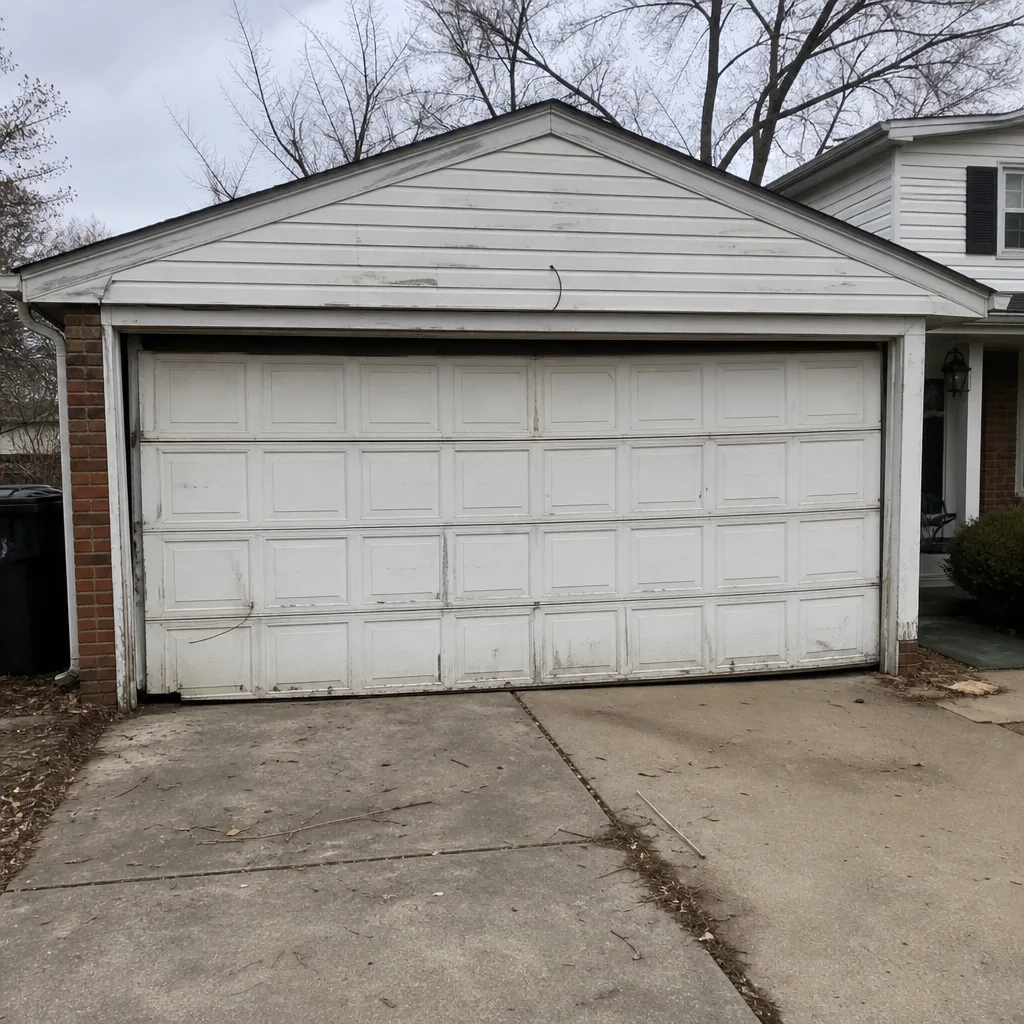 Before
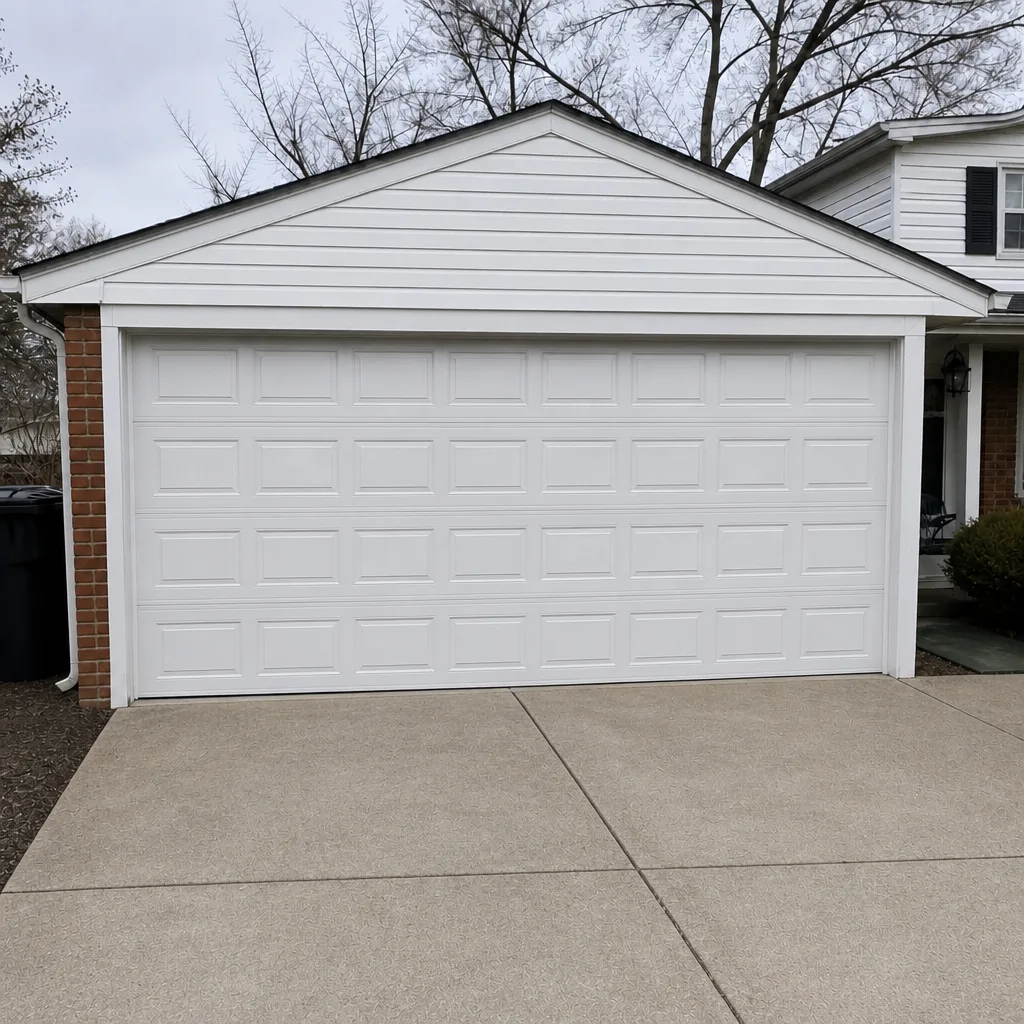 After
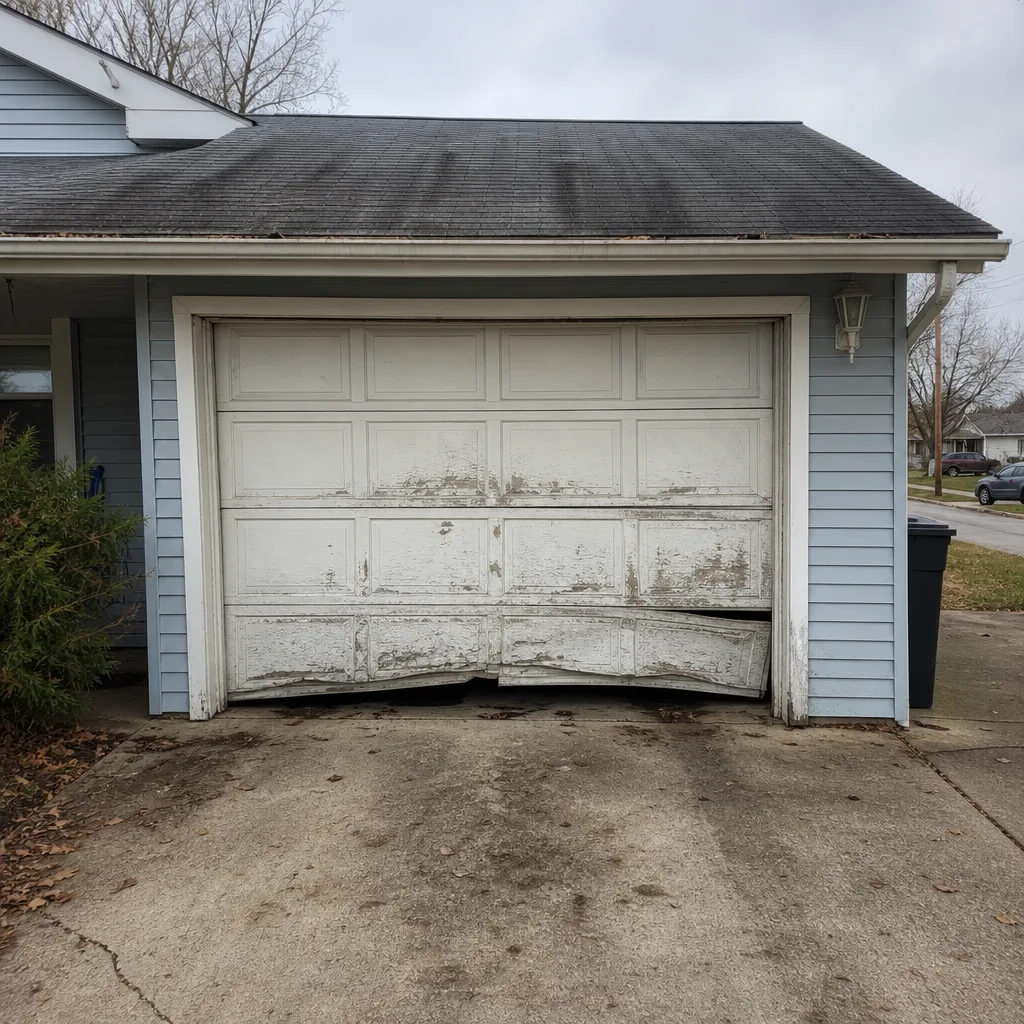 Before
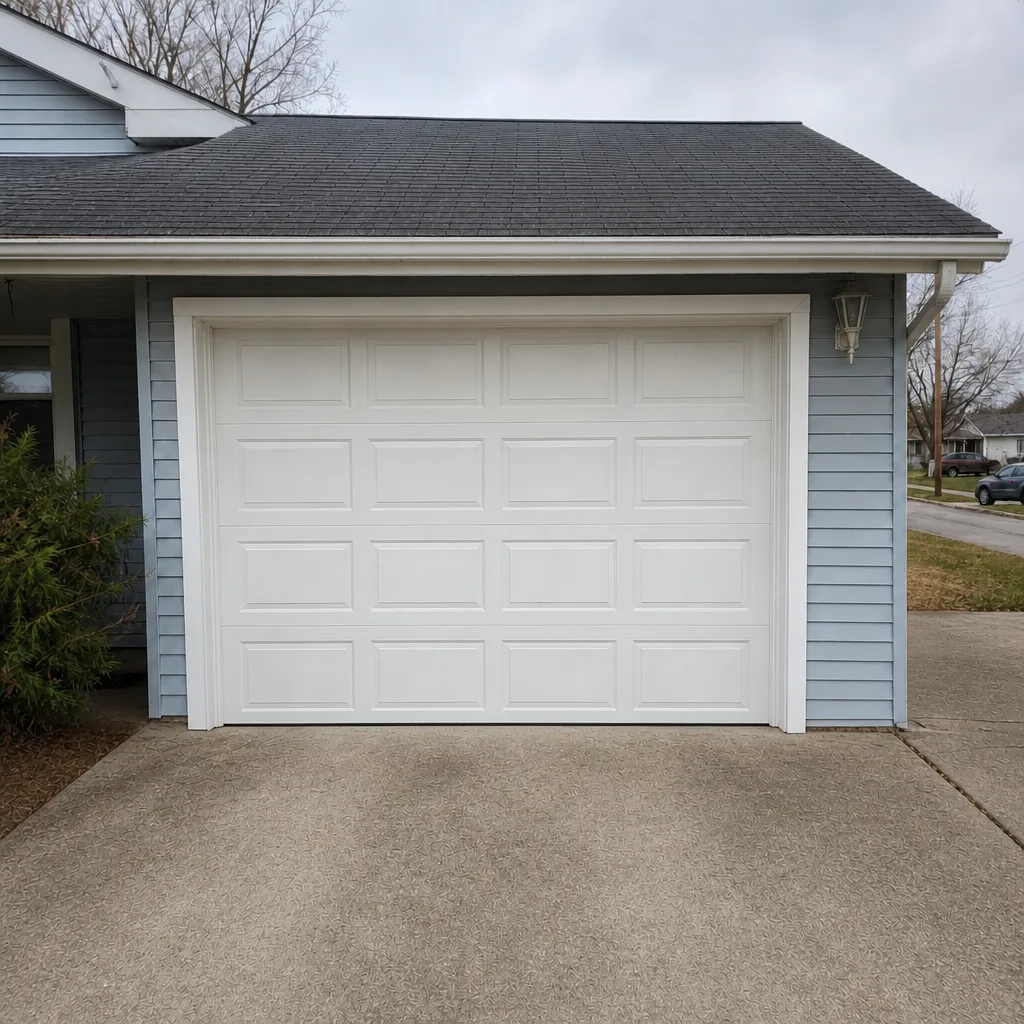 After
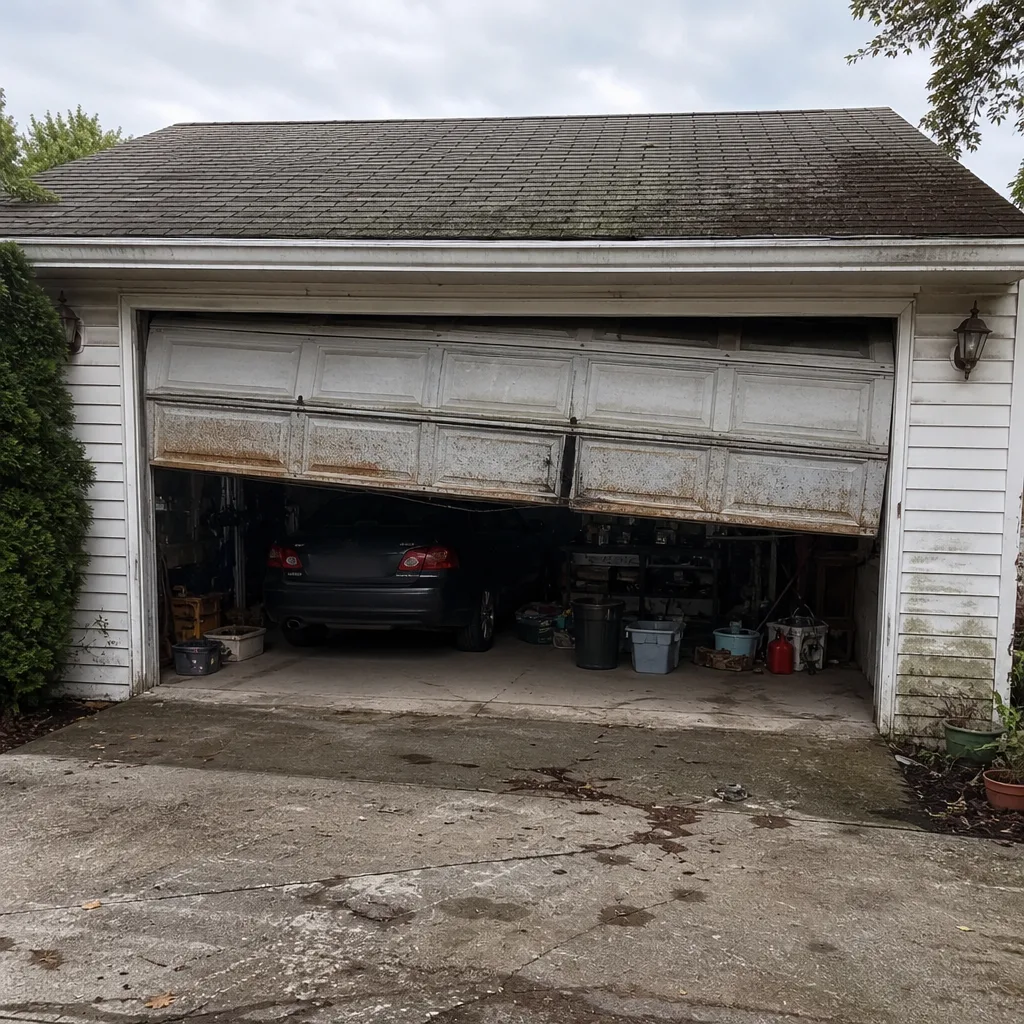 Before
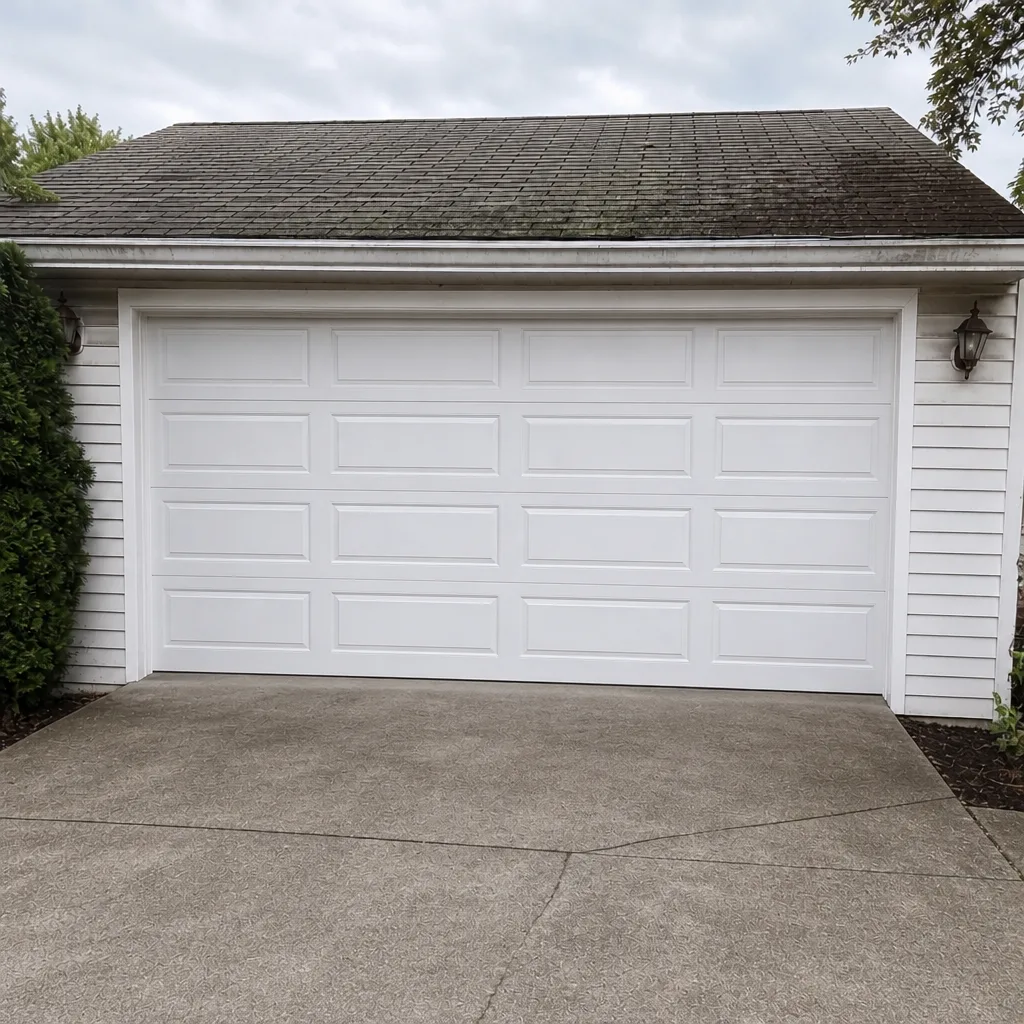 After
When to Call a Professional
Call a technician when any of the following is true in your Hampden garage: a spring is visibly broken, the door is very heavy to lift by hand, a cable is frayed or off its drum, a hinge or roller is bent, the door has come off the track, the opener reverses without touching anything, or the safety reverse test fails. These aren’t “keep an eye on it” issues. Any of them puts stress on parts that can fail dangerously. Other situations – a door that squeaks, one section that’s slightly misaligned, opener service on a LiftMaster or Wayne Dalton system that’s not quite behaving – also benefit from a professional look before small problems grow.
Garage Door Repair Hampden works on the door you already have, whatever brand it is. We offer free estimates in Hampden, so call (855) 552-9470 to schedule a service visit or to walk through what you’re seeing with the door. Spring, opener, panel, or full door, one call covers it. Until a technician arrives, keep the door closed, skip the opener, and don’t attempt to adjust the springs yourself.
Frequently Asked Questions
Twice a year is the right cadence for most Hampden homes, ideally in spring and fall when Maryland temperatures swing hardest and alley moisture is highest. Two passes a year catch spring fatigue, rust, and opener strain while they’re still cheap to fix. If you’ve owned the door more than five years and have no service history, do a third pass to establish a baseline.
The balance test with the opener disengaged. Lift the door halfway by hand and let go. If it stays, the springs are healthy. If it falls, they’re weak. If it rises on its own, they’re over-tensioned. This one check catches the issue that most often causes premature door failure, and it takes less than a minute.
Yes, for the safe points – hinge pins, roller stems, bearing plates, and a light silicone on the track. Skip the grease, and skip the nylon rollers and weatherstripping, both of which run dry. Never lubricate a spring coil under load or try to adjust the spring tension yourself. Lubrication is homeowner-level. Spring adjustment is technician-level.
A slightly heavier feel in cold weather is normal. Steel springs stiffen when temperatures drop. What isn’t normal is a door that’s consistently and noticeably heavy, or one that won’t stay at the halfway point. That pattern points to spring fatigue accelerated by Baltimore temperature swings, and it’s worth a service call before the spring fails outright.
In our experience, power fluctuations on Baltimore’s older residential grid are the leading cause of opener failures here – far more than mechanical wear on the motor. Surges fry the control board. A surge protector on the opener circuit is the fix. If the opener is already misbehaving, control board or capacitor replacement often solves it for a fraction of the cost of a new unit.
Most springs are rated for a cycle count, not a set number of years, and a typical residential door cycles roughly twice a day. In Hampden’s climate, expect a slightly shorter service life than the manufacturer’s rating because temperature swings and alley moisture accelerate fatigue. When the door stops balancing, that’s the signal to plan replacement – and matched pairs are the usual call.
The Bottom Line
Garage door maintenance works when you do it in the right order. Inspect with the door closed and the opener disengaged before you cycle anything. Test spring tension with the balance test and never wind a spring yourself. Watch the alley side of your door for rust, keep the bottom section painted and sealed, protect your opener circuit from power surges, lubricate the moving pivots and skip the grease, and write down what you find. Do all of that twice a year and your Hampden door will run longer, quieter, and cheaper than it would on a generic checklist. And if anything fails the balance or reverse test, call a technician – that’s the one place the DIY path stops.
Ready to schedule a service visit? Call Garage Door Repair Hampden at (855) 552-9470 for a free estimate on spring repair, opener repair, or a full door service. We work on the door you already have, we quote before any work starts, and we don’t hand you off.
Written by the team at Garage Door Repair Hampden.