Last updated November 21, 2026
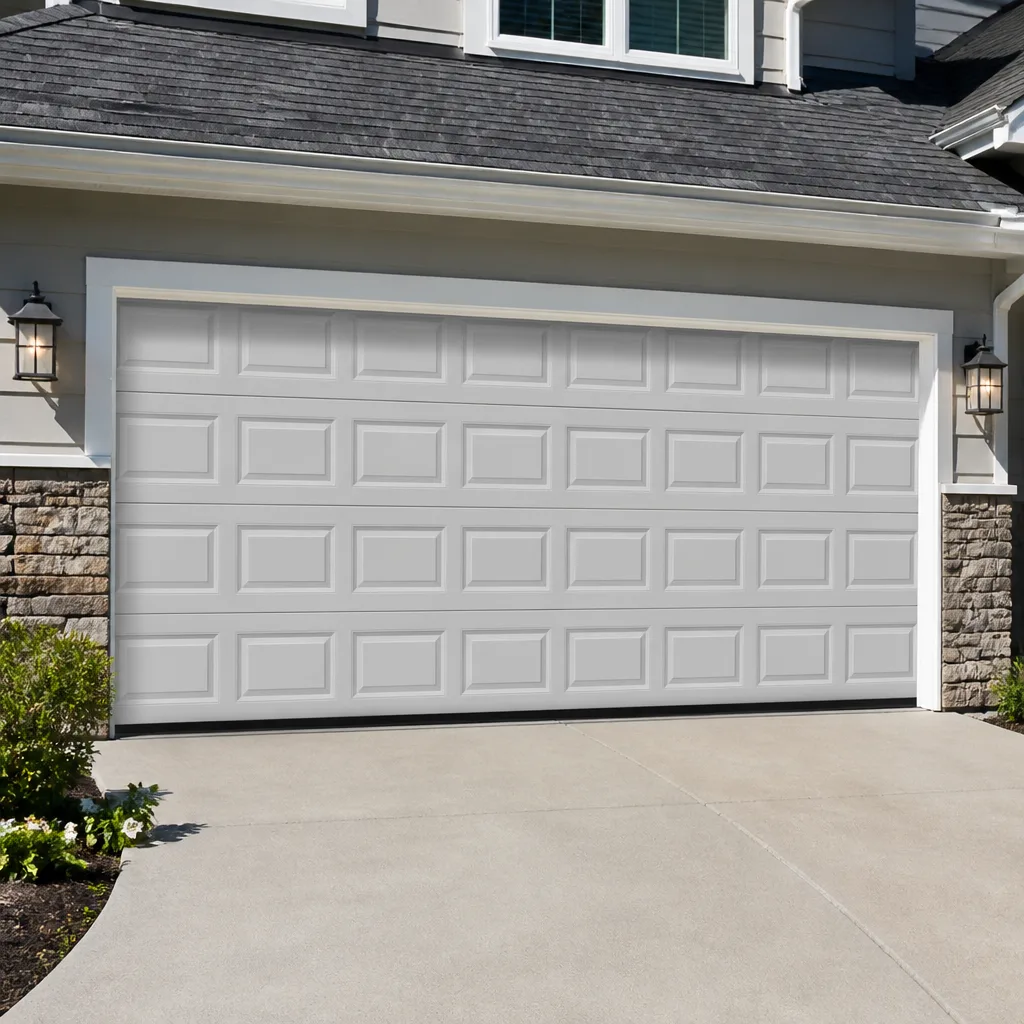 Raised-panel steel
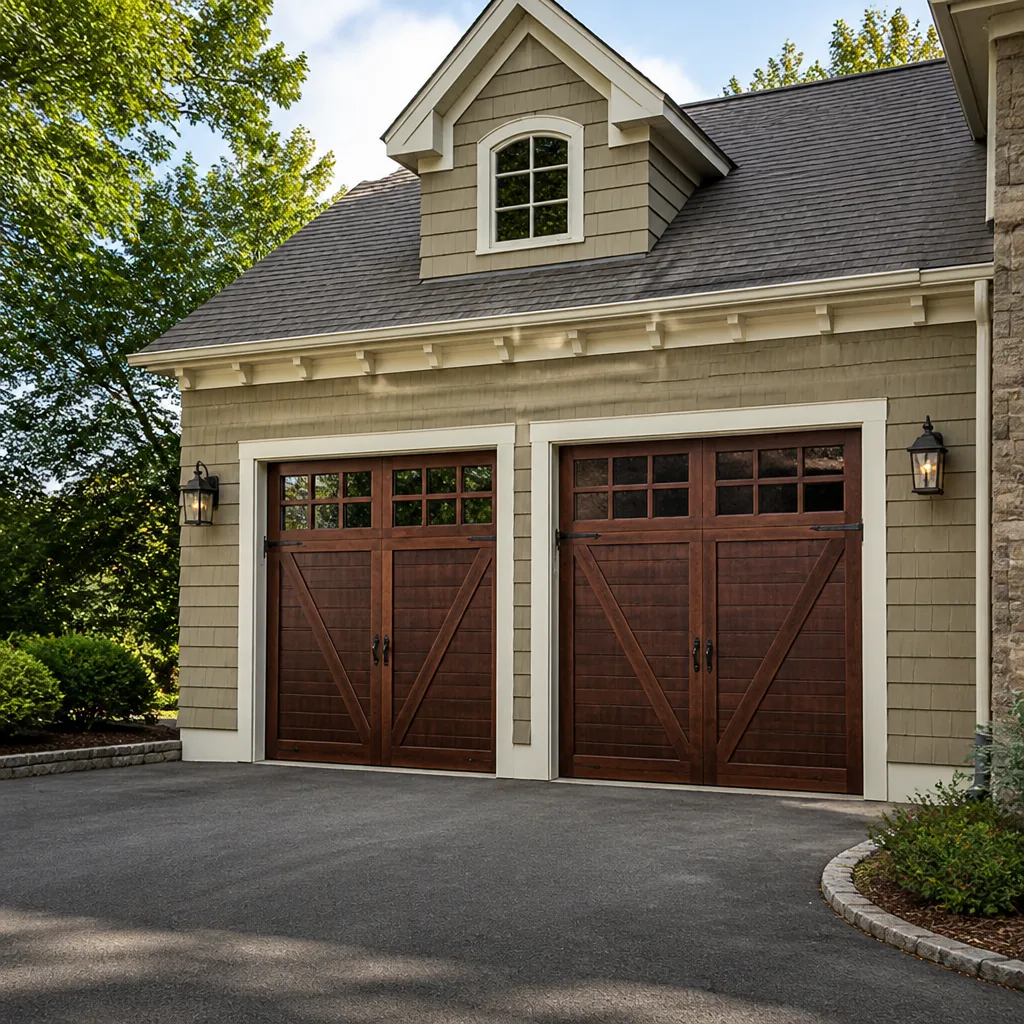 Carriage house
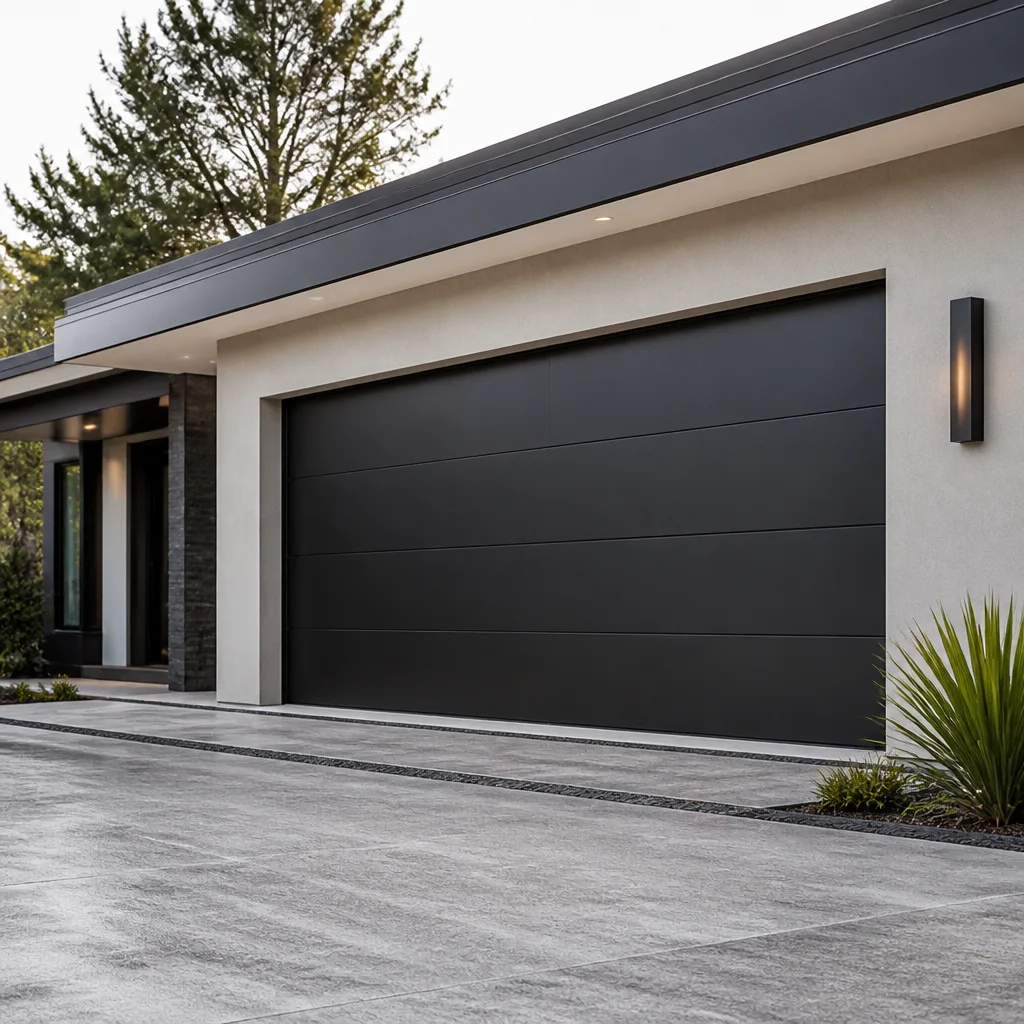 Modern flush
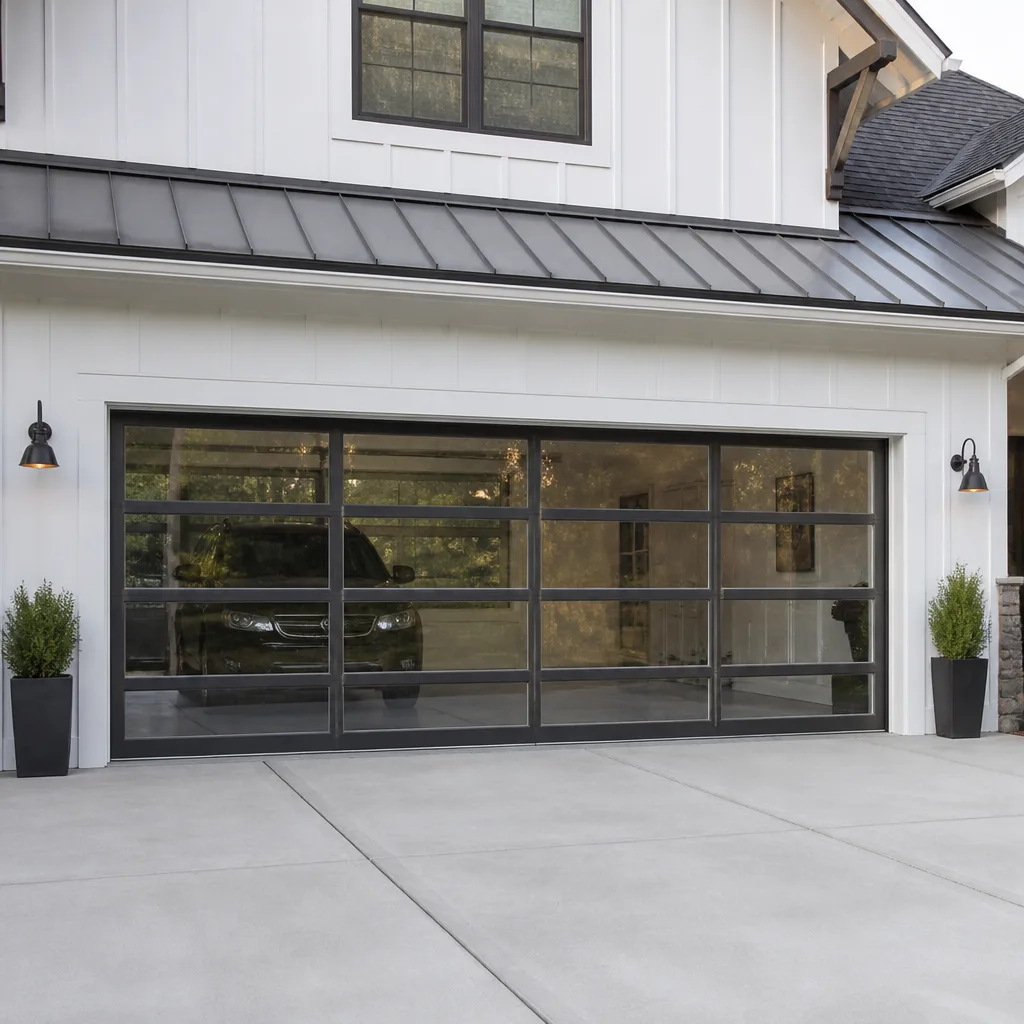 Full-view glass
 LiftMaster openers
 Chamberlain openers
Full 25-point door and opener safety check with every visit - springs, cables, rollers, tracks, and your LiftMaster or Chamberlain opener included
You get a price before we start. It does not change when the pro arrives.
Get your free estimateSeasonal Garage Door Care for Hampden: Year-Round Homeowner’s Guide
Spring is when garage doors in Hampden break most often, and winter usually gets the blame for it. That’s the wrong read on how these systems fail here. The real culprit is the stretch of March weather that swings a torsion spring through freeze and thaw, morning after morning, until metal that held tension all winter finally gives out. The seasons themselves are hard on a door, but the transitions between them do more damage than any single stretch of cold. In this guide you’ll learn which months to inspect what, why summer humidity matters as much as ice, how fall weatherstripping work actually pays off, and how to keep an opener alive in cold weather without replacing it. All of it is written for a Hampden homeowner who wants to do their own maintenance and call in help only when a problem is beyond a wrench and a weekend.
Quick Answer
Garage door care in Hampden follows the mid-Atlantic calendar, not the generic “lubricate once a year” advice most guides repeat. The highest-risk windows are the March freeze-thaw transition (springs and cables), the June humidity spike (wood panels and track alignment), and the first deep cold of December (opener force settings). A simple monthly check, two lubrications a year, and a fall weatherstripping review cover most of what a homeowner can safely do.
Styles & brands we work with
- Raised-panel steel
- Carriage house
- Modern flush
- Full-view glass
- LiftMaster openers
- Chamberlain openers
Table of Contents
- Why March Is the Riskiest Month for Your Springs
- What Summer Humidity Does to Wood Panels and Tracks
- Fall Prep That Actually Matters (and the Tips That Don’t)
- Winter Cold and Why Your Opener Loses Force
- A Month-by-Month Task Calendar for Hampden Homeowners
- What to Check Yourself and What to Leave Alone
- Brand Notes: What Hampden Homeowners Commonly Own
- When a Seasonal Problem Needs a Technician
Why March Is the Riskiest Month for Your Springs
Torsion springs are under constant tension every hour of the year, but they don’t experience temperature the way the rest of the door does. A steel spring in a Hampden garage goes from a January morning in the teens to an afternoon in the low 40s, back to freezing overnight, then up again. Every one of those swings expands and contracts the metal a little. The door also cycles more in March, because people are coming and going again after a quiet winter. Expansion, contraction, cycles. Do that for a month straight and the spring that survived all winter can snap in spring.
Extension springs on older doors face a milder version of the same problem, but they have an additional failure mode: the hook that holds the spring at the track can loosen as the metal expands. If your door has two extension springs running along the horizontal track, listen for a new rattle on the way up. That rattle is often the first sign a spring is working loose, and it’s much cheaper to fix before the spring lets go.
You can’t inspect a torsion spring the way you inspect a belt. But you can watch for the signs that it’s near the end of its life:
- The door feels noticeably heavier when you disconnect the opener and lift it by hand (only do this with the door closed and the opener disengaged, and stop if it feels wrong)
- A gap or visible gap between coils on one side of the torsion bar
- The door lifts unevenly, with one side lagging behind the other
- A loud bang from the garage that sounds like a firecracker going off
That last one is the classic spring break, and it’s why we treat garage door repair calls in March as a different kind of job. A broken torsion spring leaves the door stuck down, sometimes with a car trapped inside. Those calls get priority. If a spring has already snapped, don’t try to lift the door by hand and don’t force the opener. Call (855) 552-9470 and we’ll get a technician out. Spring work is the most technically demanding repair in this trade, and it’s the one we do in-house rather than handing off.
One more March-specific note: the freeze-thaw cycle also works on the door’s bottom seal. Rubber weatherstripping that froze to the concrete in January can tear loose in March when the door lifts for the first time on a warm day. Glance at the bottom seal each spring and replace it before the gap lets in rain.
What Summer Humidity Does to Wood Panels and Tracks
A wood garage door in Hampden absorbs moisture through the humid stretch from June through September, and it swells. That’s normal, and a well-sealed door handles it fine. What causes real trouble is swelling at the panel edges, where two panels meet. When the wood swells, the panel edge pushes against the seam, and the door can bind as it lifts. Homeowners often hear this before they see it: a groan or drag in the middle of the travel, usually worse on a rainy week and gone on a dry one.
Track alignment is the other summer issue. Steel tracks are bolted to the framing, and when the framing swells and shrinks with humidity, the bolts can work loose. A track that was perfectly plumb in April can be a fraction off by July. That fraction is enough to make rollers scrape or the door wander. Here’s what to look for:
- Open the door manually (opener disengaged) and listen for scraping on either side. Scraping on one side suggests a track out of plumb on that side.
- Look down the length of each vertical track. It should be straight. A visible kink or bow means the track has moved.
- Check that all track bolts are snug, hand-tight is enough. Don’t overtighten or you’ll strip the bracket holes.
- Inspect the rollers for flat spots or cracks. Plastic rollers stiffen in cold and crack in heat, and a cracked roller is a scraping noise waiting to happen.
If your door is wood, repainting or resealing it in early summer pays for itself. A sealed panel resists moisture far better than bare wood, and the sealing is what prevents the swelling in the first place. Steel doors with a factory finish don’t need this, but check the panel seams for bubbling paint, which is how moisture often starts in.
For Hampden homeowners with an older wood door, summer is also the time to check that the panels are still tight. A door that has sat through years of humidity can have panels that have loosened at the hinges, and a hinge that’s pulled free is a repair you want before a panel drops. That’s the kind of thing we look at during any routine service visit.
Fall Prep That Actually Matters (and the Tips That Don’t)
Most fall garage door checklists are filler. “Lubricate the hinges” is good advice but it’s the same in any month. “Check the weatherstripping” is vague and doesn’t tell you what actually matters. In Hampden’s climate, the fall work that genuinely reduces heat loss and prevents winter problems is a short list, ranked by impact.
1. Bottom seal first
The bottom seal is the single biggest gap in a garage door’s thermal envelope. A worn or flat seal on the concrete lets cold air pour in under the door all winter, and it’s the gap homeowners notice first when the garage stays colder than expected. Run a hand along the bottom of the closed door on a cold day and feel for drafts. A seal that’s hard, cracked, or not touching the floor needs replacing before the first freeze.
2. Side and top weatherstripping second
Jamb weatherstripping runs down each side and across the top. It’s second in impact because it seals a smaller area, but a torn jamb seal lets in rain and snowmelt that can pool around the bottom of the door. Check it for tears and replace anything worn.
3. Threshold last
The threshold (the piece the seal sits on) matters most if your garage floor slopes toward the door or you get standing water. A seal can only do so much if the concrete underneath is uneven. This is a job for a technician if the floor needs attention, but a homeowner can see the gap easily enough in a wet fall.
What doesn’t matter as much as you’d think
Adding insulation to a door that has a poor bottom seal is like insulating a wall with a window open. Seal first, insulate later. And if you’re considering a new door, fall is a good time to price it, because a garage door installation is measured and scheduled rather than rushed. If your door is older and the repair costs start to outweigh the value of the door, a replacement conversation makes sense in September or October, not in a January emergency.
Winter Cold and Why Your Opener Loses Force
An opener that “stops working” in the first cold snap usually isn’t broken. It’s a force-setting issue. When temperatures drop, the door’s springs stiffen and the door gets heavier to lift. The opener has a force limit built in so it won’t crush a person or a car, and when the door is heavier than the limit expects, the opener stops and reverses. It reads as a failure. It’s actually the safety system doing its job.
Before you call for a new opener, check the simple things:
- Disengage the opener and lift the door by hand. If it’s genuinely hard to lift, the springs need attention, not the opener.
- Look at the opener’s force adjustment. Most major openers (Chamberlain and Genie systems included) have adjustment dials or screws on the back of the motor unit. Nudge the force up slightly and test. A small adjustment is all you need. If you’re turning it a lot, something else is wrong.
- Check the safety sensors at the bottom of the tracks. A sensor that’s dirty, fogged, or knocked out of alignment will stop the door at the ground. Cold weather can fog the lens.
- Listen to the opener. If the motor runs and the door doesn’t move, you likely have a stripped gear or a broken spring. That’s a repair, not a force adjustment.
This is exactly where brand familiarity matters. We work on LiftMaster, Chamberlain, Genie, Clopay, Amarr, Wayne Dalton, Craftsman, and Raynor systems, so a technician arriving at a Hampden garage already knows where the force adjustment lives and what a normal setting feels like. That shortens a garage door opener repair visit and avoids the “we’ll order the part” delay. And if it turns out you truly need a new opener, we handle that too, rather than handing you to a subcontractor.
One caution: don’t adjust force settings to cover a mechanical problem. A door with a dragging track or a failing roller will always feel heavy, and cranking up the force only makes the opener work harder until it fails. Fix the mechanical issue first, then set force.
A Month-by-Month Task Calendar for Hampden Homeowners
This is the calendar we’d give a friend. It’s sized to fit a few hours a month at most, and it front-loads the checks that prevent the expensive calls. Every task below is one you can do safely as a homeowner. Spring and cable work is deliberately not on the list.
January
- Listen for new noises on the door’s travel. Cold makes problems louder.
- Check that the opener is fully closing the door against the cold. A door that stops short leaves the bottom seal open to the weather.
February
- Clear snow and ice from the bottom of the door’s path. A frozen seal that tears in March started as ice you could have cleared.
- Test the auto-reverse feature. Put a block of wood on the floor under the door and watch that it reverses. Do this every couple of months.
March (the big one)
- Watch the springs. Note any new sag, gap, or bang.
- Inspect the bottom seal for freeze damage.
- Lubricate the hinges, rollers, and springs with a garage-door-rated lubricant (not WD-40; use a lithium or silicone lubricant designed for the job).
April
- Tighten the track bolts you can reach by hand.
- Check the door’s balance: disengage the opener and lift the door halfway. It should stay there on its own. If it drops or rises, the springs need adjusting, which is a job for a technician.
May
- Clean the door’s exterior. Pollen and grime collect in seams and hold moisture.
- If your door is wood, plan the summer resealing in the next month or two.
June
- Watch for the humidity bind: a groan in the middle of travel. Check the track bolts and rollers.
- If wood, reseal the panels.
July
- Inspect rollers for flat spots and cracks.
- Look at the weatherstripping all the way around.
August
- Check that the door’s travel is still even after a summer of expansion.
- Clean the opener’s motor unit vents if they’re dusty.
September
- Begin the fall weatherstripping review. Bottom seal first, then jamb, then threshold.
- Test the safety sensors and clean the lenses.
October
- Replace any worn weatherstripping before the first freeze.
- Lubricate the hardware a second time for the year.
November
- Do a final draft check under and around the closed door.
- Listen for any new rattle that signals a loosening spring or track bolt.
December
- Watch for the opener force issue on the first cold snap. Adjust the force slightly if the door stalls.
- Keep the door’s path clear of snow and ice all month.
What to Check Yourself and What to Leave Alone
The line between homeowner maintenance and technician work is drawn in one place: tension. Anything you do while the door is closed and the opener is disengaged is generally safe. Anything involving the springs, cables, or the torsion bar under tension is not, because those parts store enough energy to cause serious injury even when the door looks quiet.
Safe for a homeowner with basic tools:
- Visual checks of springs, tracks, rollers, and weatherstripping
- Cleaning, lubricating hinges, and rollers
- Replacing weatherstripping and bottom seals
- Checking and cleaning safety sensors
- Testing the auto-reverse and balance by hand-lifting the door
- Small force adjustments on the opener after confirming the door is mechanically sound
Leave to a trained technician:
- Any torsion or extension spring replacement or adjustment
- Cable inspection beyond a visual check, and all cable work
- Track realignment if a track is bent or badly out of plumb
- Roller replacement if a roller bracket is damaged
- Panel replacement
We say this plainly because it’s a safety issue, not a sales pitch. A torsion spring under tension is one of the most dangerous parts in a home garage, and the injury risk to a homeowner trying to release or rewind one is real. When a spring needs work, get a technician. We do spring work in-house, and we’d rather fix a spring right than hear about a homeowner who tried and got hurt.
Brand Notes: What Hampden Homeowners Commonly Own
A door and an opener are two separate systems, and knowing which brands you have at home saves time when something fails. Most Hampden garages we see have a steel sectional door paired with a name-brand opener, and the model matters less than the type of system. We work on all the major lines, and a technician arriving on-site is familiar with the system before touching it. A few patterns worth knowing:
- Opener brands: Chamberlain and LiftMaster systems are among the most common, and both use similar force and travel adjustment setups. Genie openers have a slightly different adjustment method, and smart or connected models need their app settings checked alongside the physical adjustment.
- Door brands: Clopay and Amarr steel doors are common on newer builds and remodels, while Wayne Dalton doors show up in older Hampden neighborhoods with plenty of panel and weatherstrip work in their future. Raynor and Craftsman systems are also part of our everyday work.
- Mixed pairings: A door and opener from different manufacturers is completely normal and not a problem. A Genie opener on an Amarr door is fine. What matters is that the technician knows both systems.
If you’re unsure what you have, look for the label on the motor unit and a sticker on the door’s bottom panel. A photo of both is enough for us to arrive prepared. If you’re shopping for a new door, a Clopay or Amarr steel door is a common choice for its lower maintenance, while a wood door appeals to homeowners in the older parts of Hampden who want the look. Either way, we install what you choose rather than pushing a system. The best door is the one that fits your house and your needs.
If you want a brand-agnostic checkup on the system you already own, that’s the work we do. We work on what you already have, and we only recommend replacement when repair stops making sense.
When a Seasonal Problem Needs a Technician
Some seasonal issues are self-fixable. Others are a call away from becoming expensive. Get a technician involved when:
- A spring has visibly broken (a bang followed by a door that won’t lift) – do not lift the door by hand.
- The door is binding or dragging and a track adjustment doesn’t fix it. This often needs a track realignment or a roller replacement.
- The opener runs, but the door doesn’t move. That points to a broken spring or a stripped gear.
- You hear a loud pop, scraping, or repeated reversal that a force adjustment doesn’t resolve.
- You’re planning a new door or a full opener replacement. Those are measured and scheduled, not rushed, so a free measure and written price beats a guess.
Garage Door Repair Hampden offers free estimates in Hampden, and we handle emergency calls as a core service rather than a next-day callback. Repairs get priority, and every price is quoted and agreed before any work starts, so the invoice matches the quote. Call (855) 552-9470 and we’ll book a time that works for you. If it’s a repair, we’ll aim to get there fast. If it’s an installation or replacement, expect a free measure and a written price.
See the difference
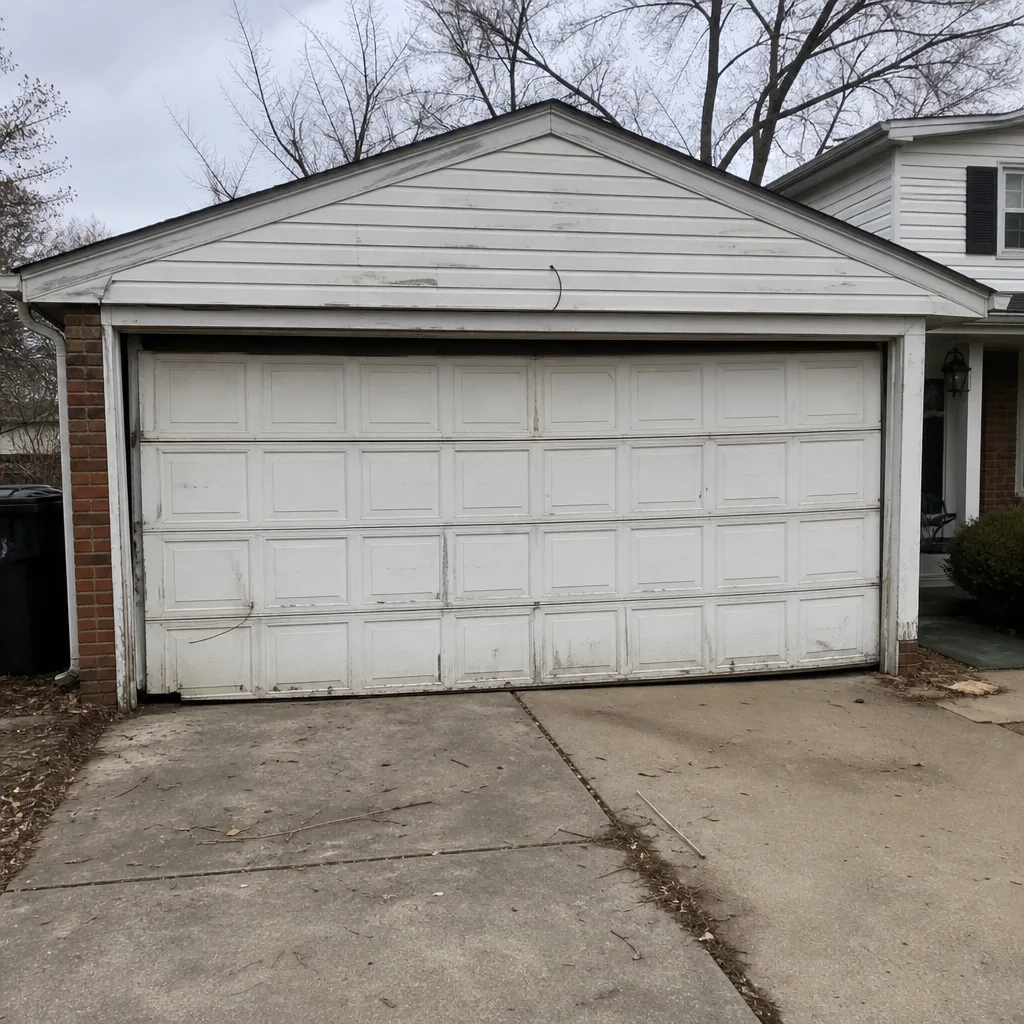 Before
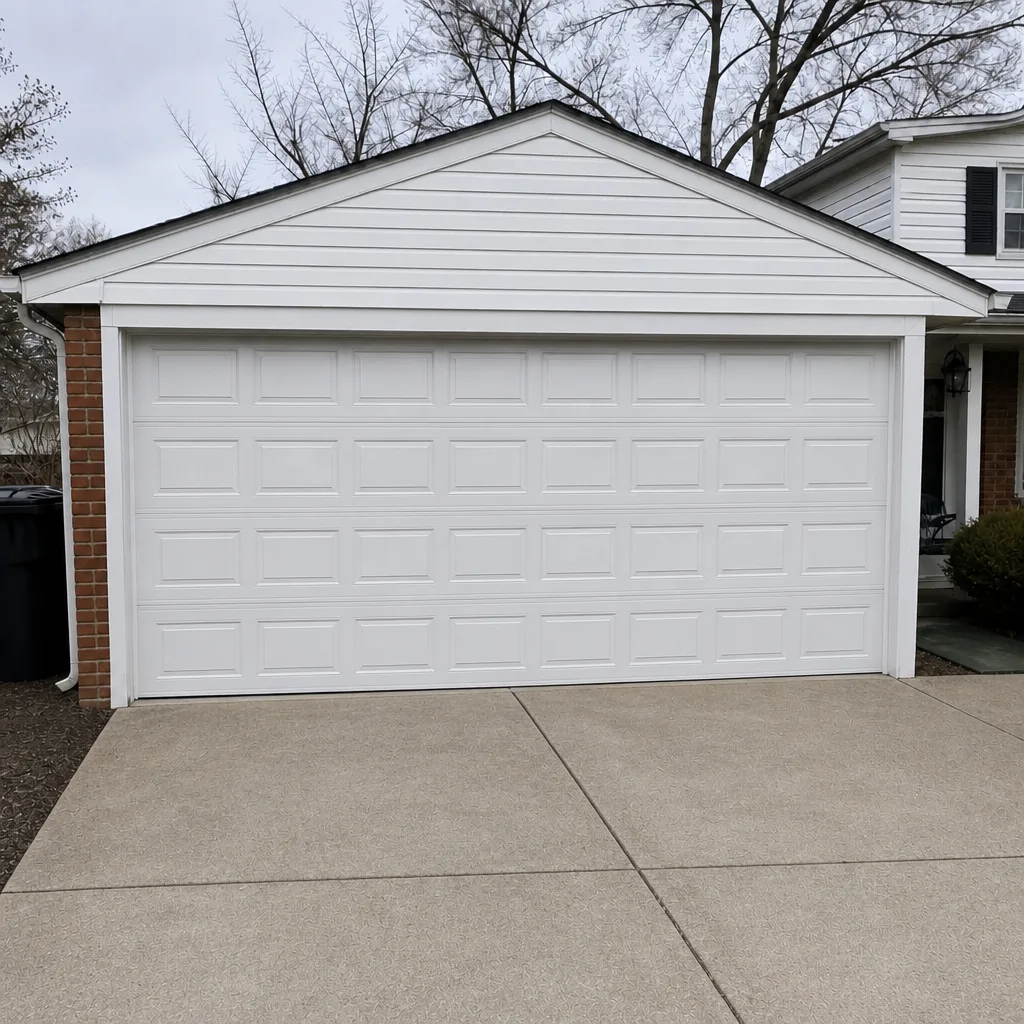 After
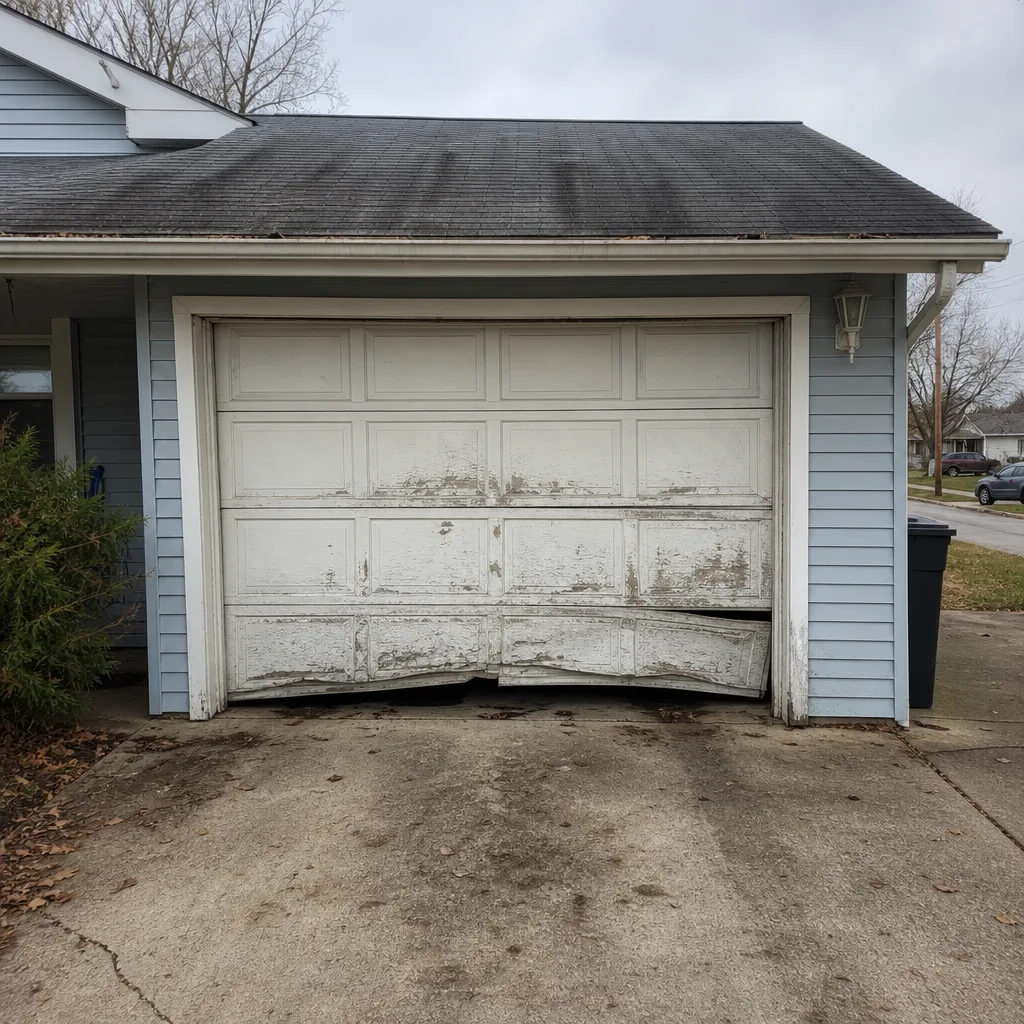 Before
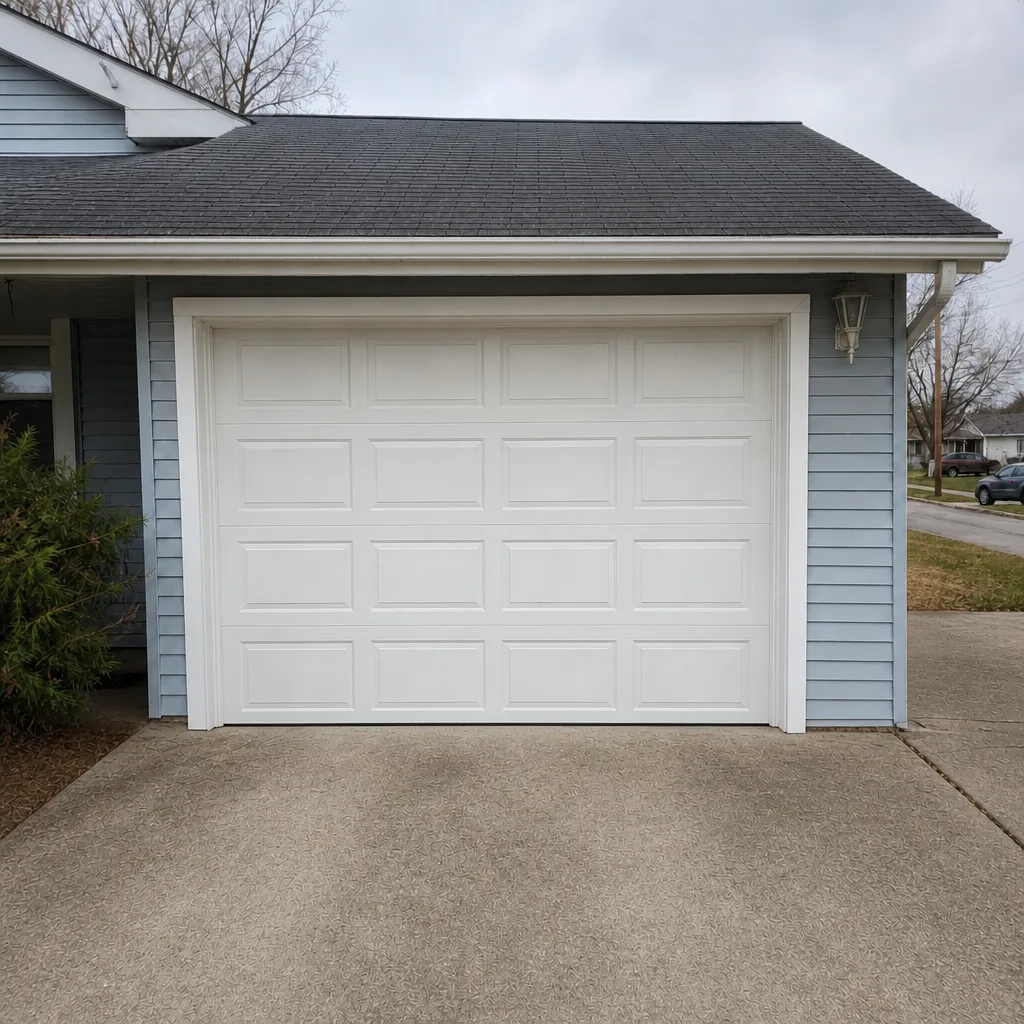 After
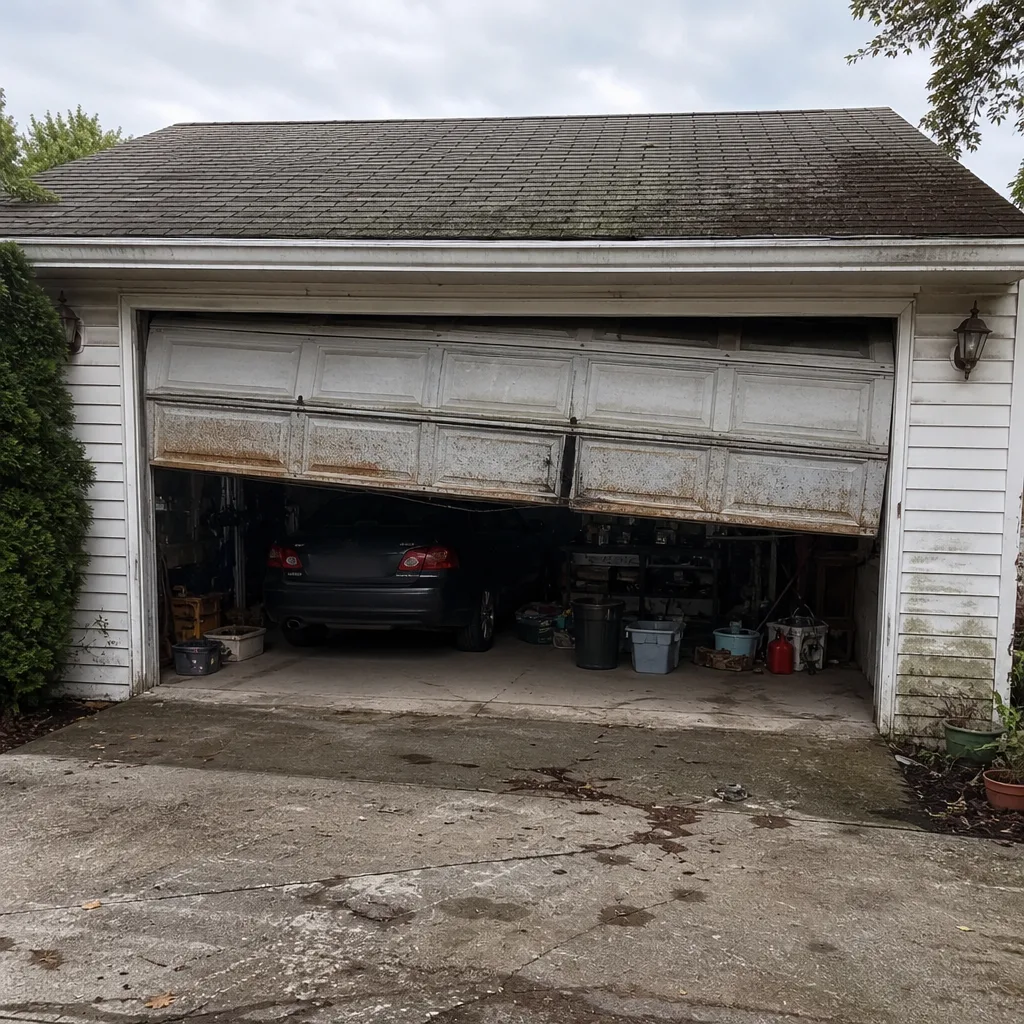 Before
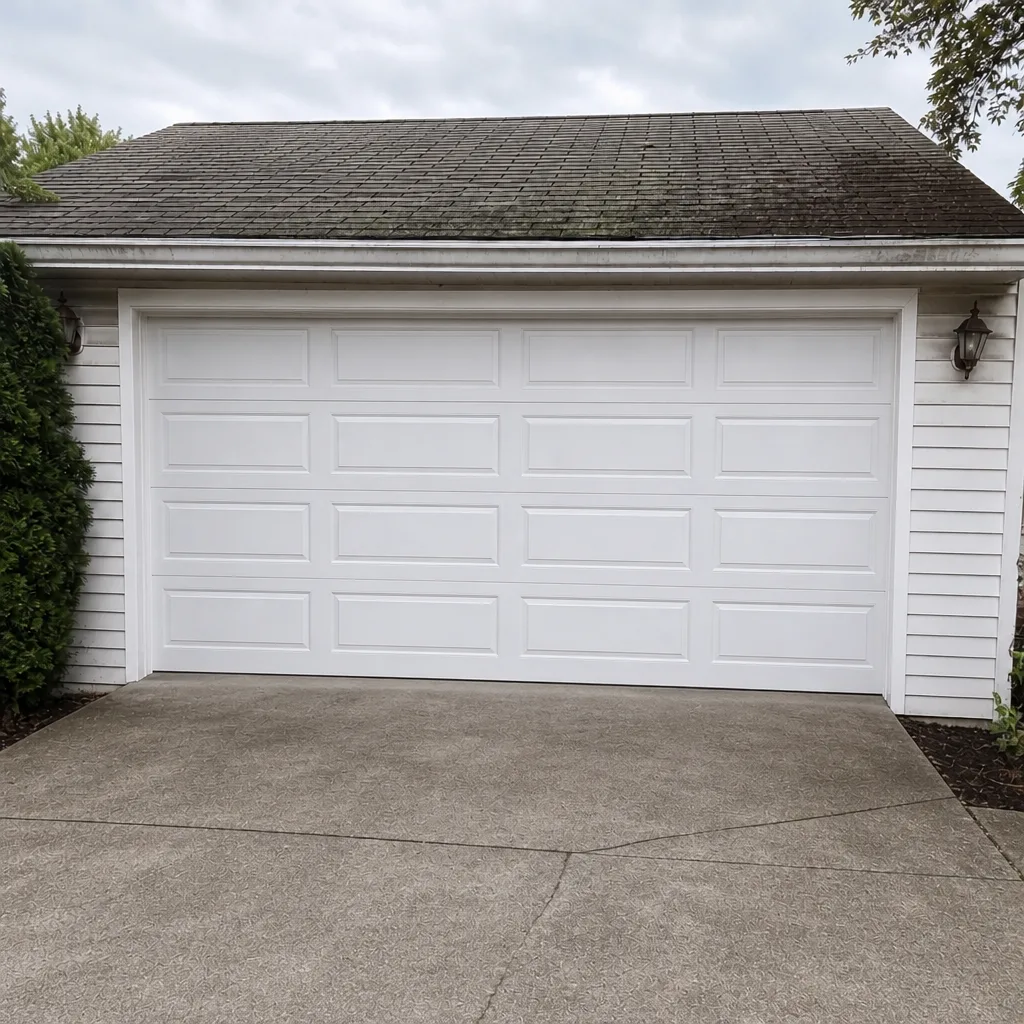 After
Common Mistakes to Avoid
- Treating spring maintenance as a DIY job. A torsion spring stores enough force to injure you badly. That’s why we keep spring work in-house. If a spring looks wrong, call a technician.
- Lubricating with the wrong product. WD-40 is a solvent, not a garage-door lubricant. It cleans and temporarily loosens, then leaves parts dry. Use a lubricant made for garage-door hinges and rollers.
- Turning up the force to hide a mechanical problem. A heavier door in December is often a sign of a drag or a failing spring. Fix the cause before you touch the force setting.
- Skipping the bottom seal in fall. A worn bottom seal is the biggest heat loss on the door, and it’s the cheapest fix. Ignore it and the garage stays cold all winter.
- Ignoring the March warning signs. A small rattle or a new gap in the spring in early March is often the last warning before a break. That’s the moment to book a check, not the moment to wait.
- Waiting for a summer humidity problem to dry out. Swollen wood and loose tracks don’t fully recover when the air dries. Check them in June so August doesn’t bring a stuck door.
- Pricing a replacement before pricing the repair. A broken spring on an otherwise sound Garage Door Repair Hampden brand door is usually a repair, not a replacement. Get a quote for both before you decide.
Frequently Asked Questions
Twice a year is the right cadence here: once in early spring, before the freeze-thaw window, and once in fall, before the first freeze. Lubricate the hardware at both visits, check the springs and balance, and replace weatherstripping as needed. If your door is older or you notice new noises, a third check after the June humidity spike is worth it, because that’s when track alignment issues show up.
Because the freeze-thaw cycle in March works the metal harder than steady cold does. A torsion spring expands and contracts as the temperature swings, and that cycling, combined with more door use in spring, stresses the metal. In our experience, March is the highest-risk month for spring failure in Hampden. If you hear a bang and the door won’t lift, call (855) 552-9470.
Yes, if it’s just a force or travel setting and the door is mechanically sound. Lift the door by hand first to confirm it isn’t too heavy, then nudge the force adjustment on the motor unit and test. If the door is heavy or the opener runs without moving the door, stop and call us; a stripped gear or broken spring needs a technician, not a setting change.
Bottom seal first, then the side and top jamb seals, then the threshold. The bottom seal covers the largest gap and loses the most heat, so it’s the highest-impact replacement. Run a hand around the closed door on a cold day and fix the largest draft first. That’s the same order we recommend during a fall checkup.
Every one to two years is enough in this climate, and early summer is the best time to do it, before the humidity peaks. A sealed door resists swelling better than bare wood, and swelling is what causes the panel binding and track misalignment that show up in July and August. Check the seams for bubbling paint as an early sign the seal is failing.
Often repair is enough. A worn bottom seal, a loose track, or a failing spring are all repairable, and fixing them restores the door’s normal performance. A new door makes sense when the panels are damaged beyond repair or the door is at the end of its life. We’ll give you a free measure and a written price for a replacement, and a repair quote alongside it, so you can compare honestly rather than guess. Call (855) 552-9470 for either.
The Bottom Line
Hampden’s climate puts garage doors through a harder year than most owners expect, and the damage clusters at the season transitions rather than in the worst weather. The March freeze-thaw is the biggest spring risk, the June humidity spike is the biggest wood and track risk, and the first December cold is the biggest opener risk. A simple calendar, two lubrications a year, and a fall weatherstripping review in the right order cover most of what a homeowner can safely do. Springs and cables are where you stop and call a technician. If you need a hand at any point, Garage Door Repair Hampden can help with repair, opener work, springs, or a new installation, and we’ll quote the price before we start.
Our technicians have up to 15 years of experience, and we’re familiar with the brand in your garage before we arrive. If a seasonal checkup turns up something you’d rather not tackle, or a door that’s failing needs a same-day response, call (855) 552-9470 for a free estimate. We’ll look at what you already own and tell you straight whether it’s a repair or a replacement.
Written by the team at Garage Door Repair Hampden.